
African Music Casino Games: Why Afrobeats Now Shapes Modern Game UX
Comment

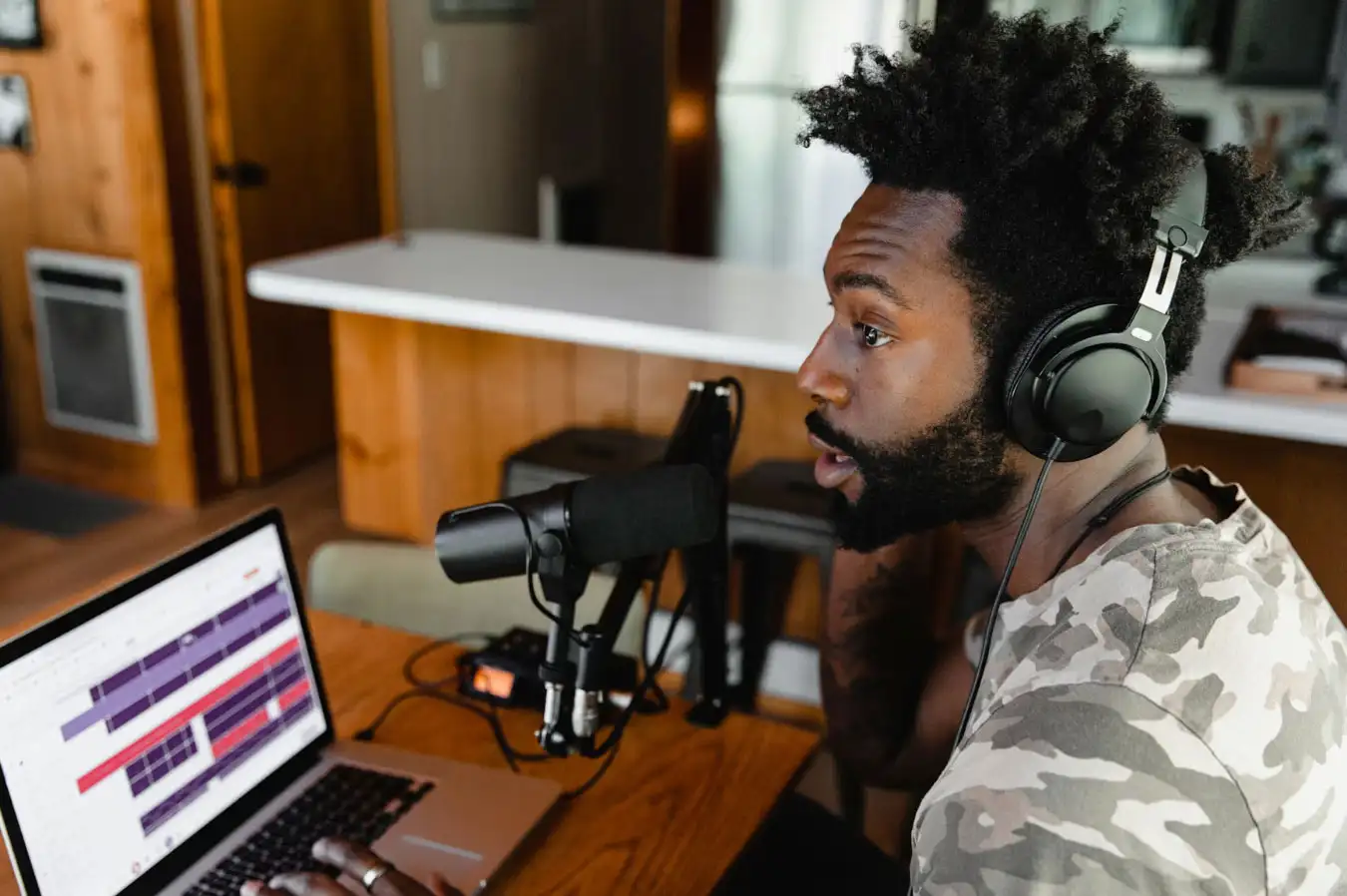
Why African Music Is Taking Over Casino Game Soundtracks
African music is becoming a useful part of casino infrastructure, not decoration. Afrobeats and Amapiano carry short loops, strong percussion, familiar vocal textures, and tempo patterns that fit mobile casino sessions better than old lounge jazz ever did. The shift is partly cultural, partly commercial, and partly technical: game studios want soundtracks that keep players oriented without slowing the interface.
The old casino sound was built for carpets, chandeliers, and coin trays. Online casino games work differently. A player often enters from a phone screen, checks a slot, opens a live table, watches a multiplier move, then leaves within minutes. Sound has to do more with less.
How This Shift Was Evaluated
This article looks at three layers: music rights, casino UX, and player behavior. The strongest clues come from branded slot history, streaming growth in African music markets, and how live casino studios now package entertainment as a broadcast product.
The test is simple. A soundtrack must survive repetition, support fast decision-making, and avoid confusing players about game outcomes. It also has to work on weak speakers, budget Android phones, and crowded rooms where the player may hear only the drumline.
Casino Sound Is No Longer Elevator Music
Afrobeats changed the commercial grammar of African pop. Billboard and Afro Nation launched the U.S. Afrobeats Songs chart in 2022, giving the genre a visible industry benchmark outside the continent. IFPI’s 2025 report also noted that music revenue in Sub-Saharan Africa grew 22.6% in 2024 and surpassed US$100 million for the first time.
Casino studios watch that kind of signal closely. They do not need a full Burna Boy verse inside every slot. They need rhythmic familiarity: shakers, syncopated drums, warm bass, clean hooks, and short melodic cells that can loop without becoming irritating after 40 spins.
Amapiano adds a different asset. Its log drum, spacious build-ups, and late drops create tension without constant vocal pressure. That makes it useful in bonus rounds, game-show reveals, and waiting states where the player expects movement but not noise overload.
Why Afrobeats Fits Slot and Live Casino UX
Casino audio has a job. It marks state changes: bet placed, reel spin, scatter trigger, free spins, dealer action, multiplier reveal. A good soundtrack does not fight those cues.
| Music style | UX strength | Best casino use | Main risk |
| Afrobeats | Pulse, warmth, short hooks | Slot lobbies, themed games, mobile menus | Vocal loops can fatigue users |
| Amapiano | Slow tension, bass movement | Bonus rounds, live game shows | Long builds can feel sluggish |
| Highlife-inspired loops | Familiar guitar tone | Regional branding, softer table games | May feel too relaxed for crash games |
| Generic lounge jazz | Low distraction | Classic roulette, VIP rooms | Weak cultural signal for younger players |
The strongest use case is not copying radio hits. It is building casino-native audio from African music grammar. That keeps licensing cleaner and lets developers control loop length, cue timing, and loudness.
Music Licensing Has Become Casino Product Strategy
Branded casino games proved the model before Afrobeats entered the conversation. NetEnt lists Guns N’ Roses among its branded games, while its Ozzy Osbourne slot uses Re-Spins, Free Spins, multipliers, and rock-themed presentation around licensed artist identity. Those games showed that music IP can be more than background sound.
Licensing still adds friction. A studio may need publishing rights, master rights, territory clearance, duration terms, and approval from artist representatives. A simple library-style loop can cost little compared with a famous track, while premium artist sync can climb sharply when the casino wants global rights, exclusivity, or multi-year use.
That is why Davido, Burna Boy, Rema, Tems, or Wizkid would sit in a different budget category from an anonymous Afro-fusion loop. Their names carry discovery value. Their catalog also brings negotiation complexity.
Where African Sound Meets Casino UX
The older live-table template treated music as wallpaper while dealers, roulette wheels, card shuffles, and studio lighting did the heavy work. Younger mobile users expect a tighter broadcast rhythm because they already move between TikTok clips, football streams, and game chats in short bursts. A market-facing lobby built around live casino Ghana can use warmer percussion, cleaner transitions, and regionally familiar sound beds to make blackjack, baccarat, and roulette feel less imported. That matters because live casino retention often depends on small comfort signals before the first bet is placed. Familiar audio makes the room feel closer to the player’s media habits rather than a copied European studio feed. The casino mechanics still rest on table rules, limits, shuffling procedures, and dealer flow, but the first emotional signal often comes from sound.
Crash Games Need Leaner Sound Design
Crash games cannot carry music the same way slots do. The player is watching risk accelerate in real time, and too much melody can blur attention. The cleanest audio approach uses rising tones, restrained percussion, and short confirmation sounds.
A busy Afrobeats hook can work in a lobby, but the actual crash round needs a leaner pulse. Players usually read the multiplier, check the cash-out button, and listen for cues without wanting a full song in the foreground. The decision to play Aviator online often happens in a short mobile session where sound must support timing rather than steal focus. The best audio design marks escalation without suggesting that rhythm can predict the result. A rising cue creates pressure, but RNG still decides the outcome and bankroll discipline still matters more than instinct. Good crash-game sound makes the moment clear, not magical.
What Developers Still Get Wrong
Three mistakes show up often.
- They use full vocal hooks where a two-bar instrumental loop would work better.
- They mix percussion too loudly, masking dealer speech or game-state alerts.
- They treat African music as one sound, when Afrobeats, Amapiano, Highlife, Alte, and Afro-house serve different moods.
The smarter route is modular composition. A studio can use a soft intro loop in the lobby, heavier drums during bonus anticipation, and a stripped-down cue during cash-out moments. It feels native to the game rather than pasted on top.
FAQ
Why are casino games using African music more often?
African music has strong mobile-era signals: short hooks, rhythmic identity, and streaming growth. Those traits fit casino UX because players need fast emotional recognition without long intros.
Do soundtracks affect casino outcomes?
No. Sound may shape attention and atmosphere, but RNG, table rules, RTP settings, volatility, and house edge define the game structure.
Is Afrobeats better for slots or live casino?
Afrobeats usually fits slots, lobbies, and branded menus better. Live casino often needs softer, broadcast-friendly loops so dealer speech and game actions remain clear.
Can famous African artists appear in casino games?
Yes, but major artist IP requires rights clearance, territory terms, and approval. That makes original African-inspired audio cheaper and easier to scale.
Top 20 Hottest Songs Right Now!!!
-
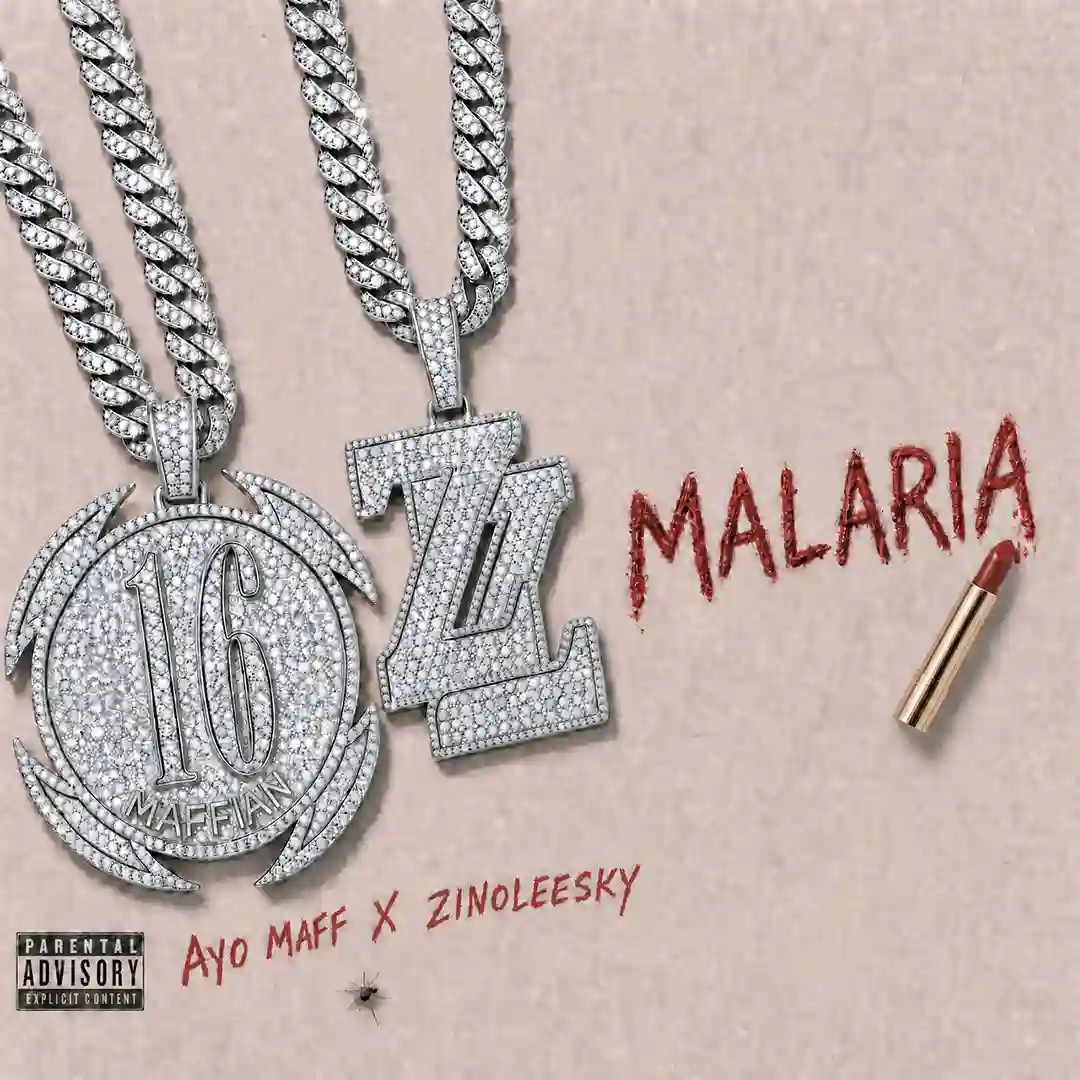 Ayo Maff – Malaria ft. Zinoleesky
-
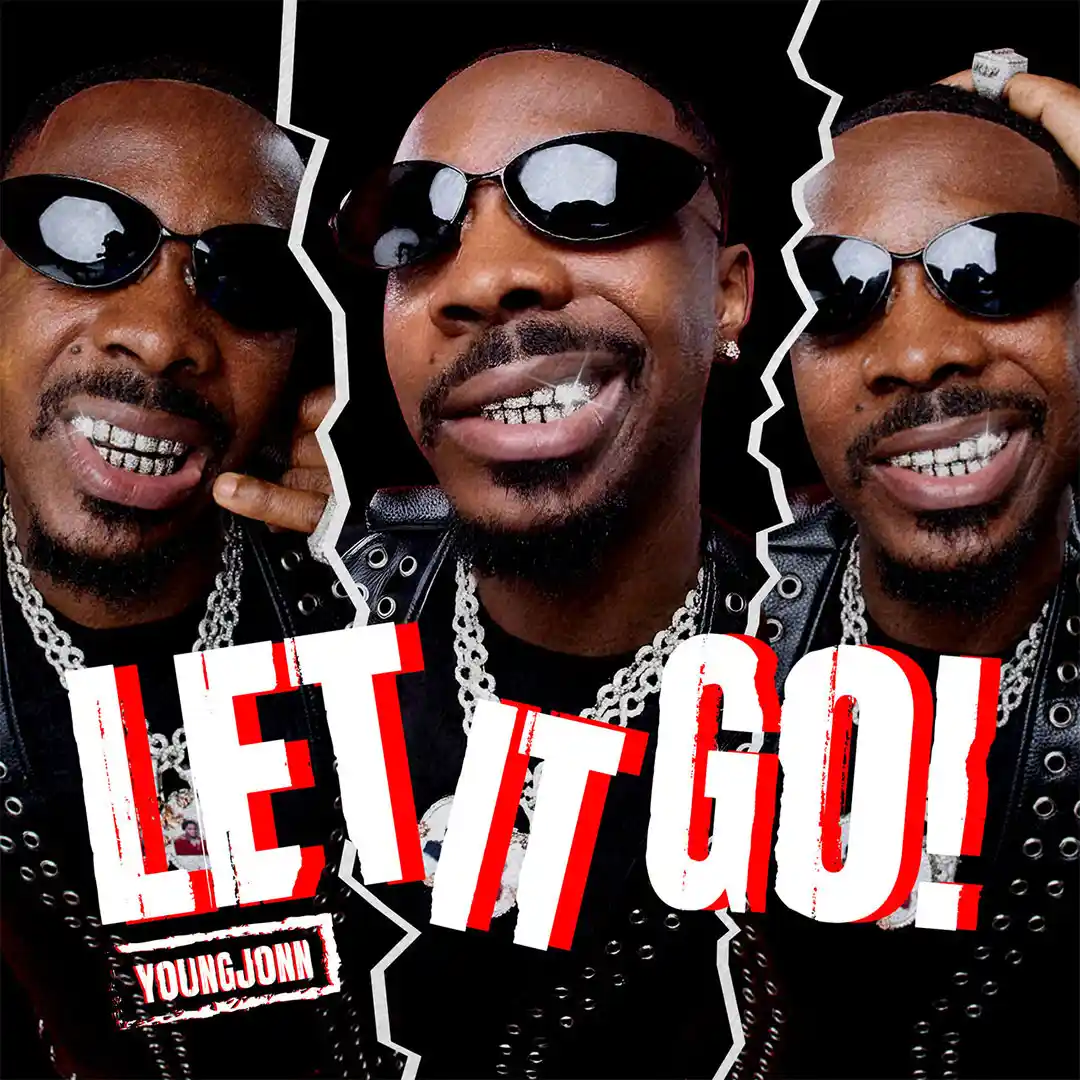 Young Jonn – Let It Go
-
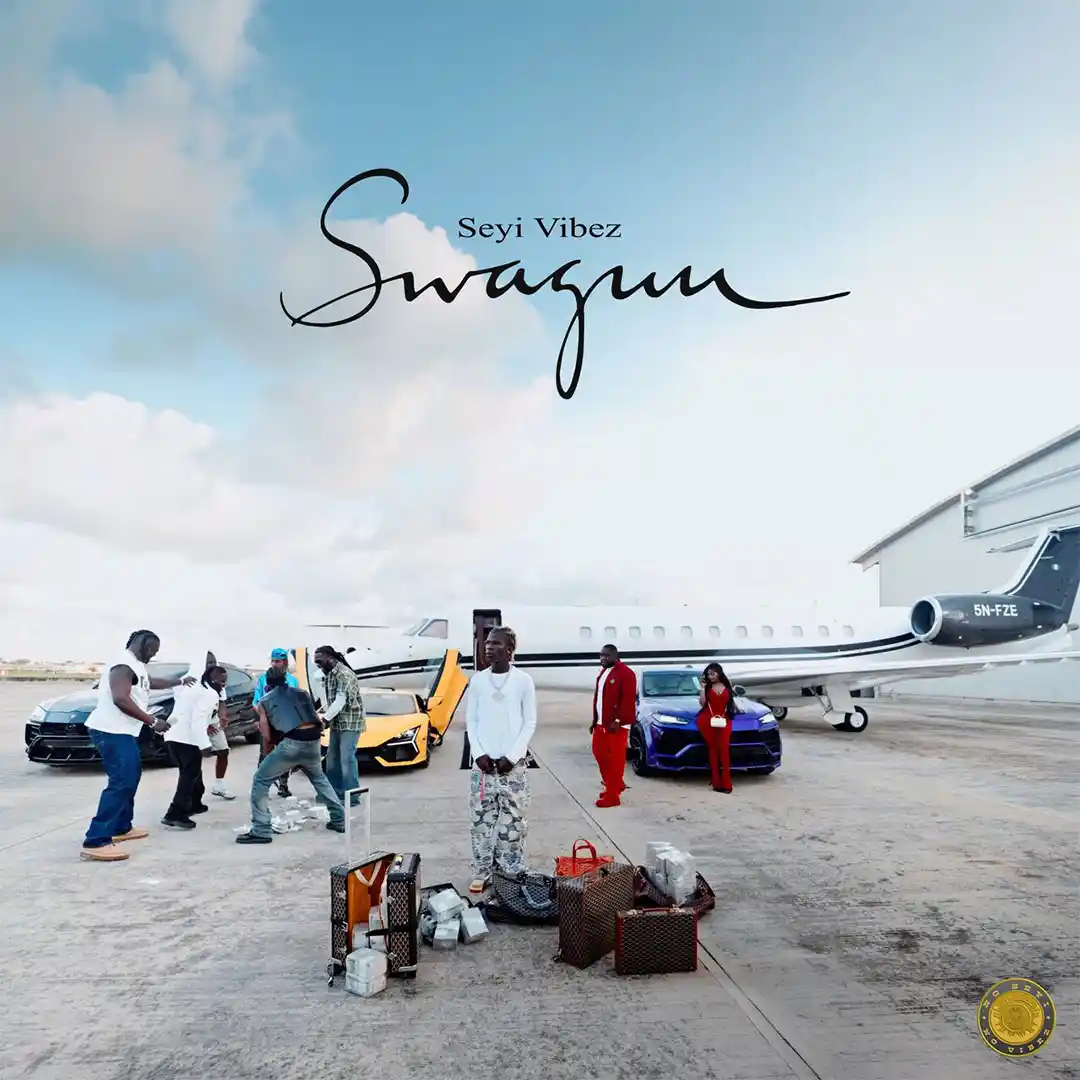 Seyi Vibez – SWAGUU ft. Quavo
-
Seyi Vibez – OBLE
-
Seyi Vibez – AKPAN AKPARI
-
Seyi Vibez – ILOME
-
Seyi Vibez – PANSA
-
Seyi Vibez – GOD
-
Seyi Vibez – MELANIN
-
Seyi Vibez – DIAMONDS
-
Seyi Vibez – VOLUME
-
 BNXN – Online
-
 Kizz Daniel – Owo Oluwa ft. Young Jonn, Krizbeatz & Wave Choir
-
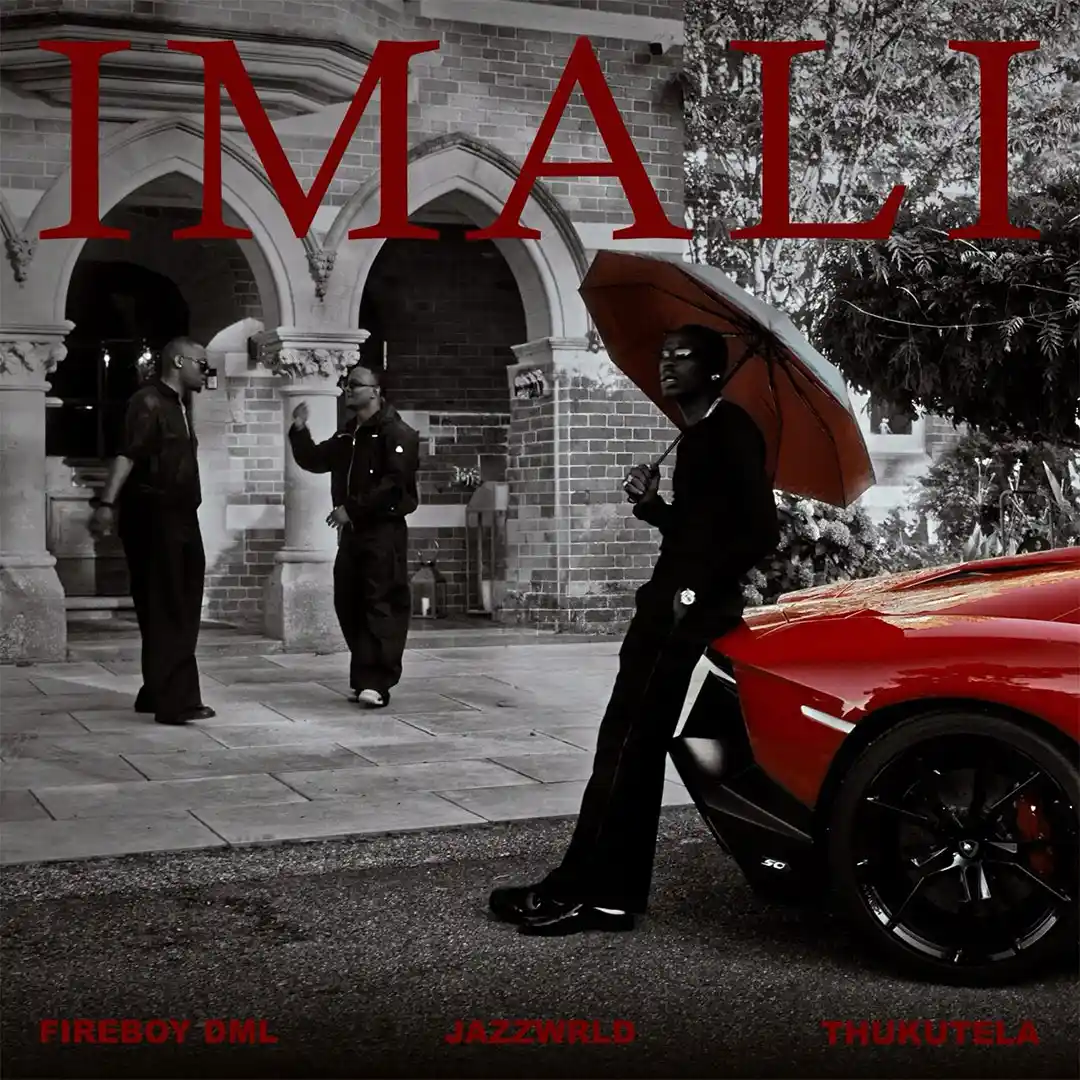 Fireboy DML – IMALI ft. JAZZWRLD & Thukuthela
-
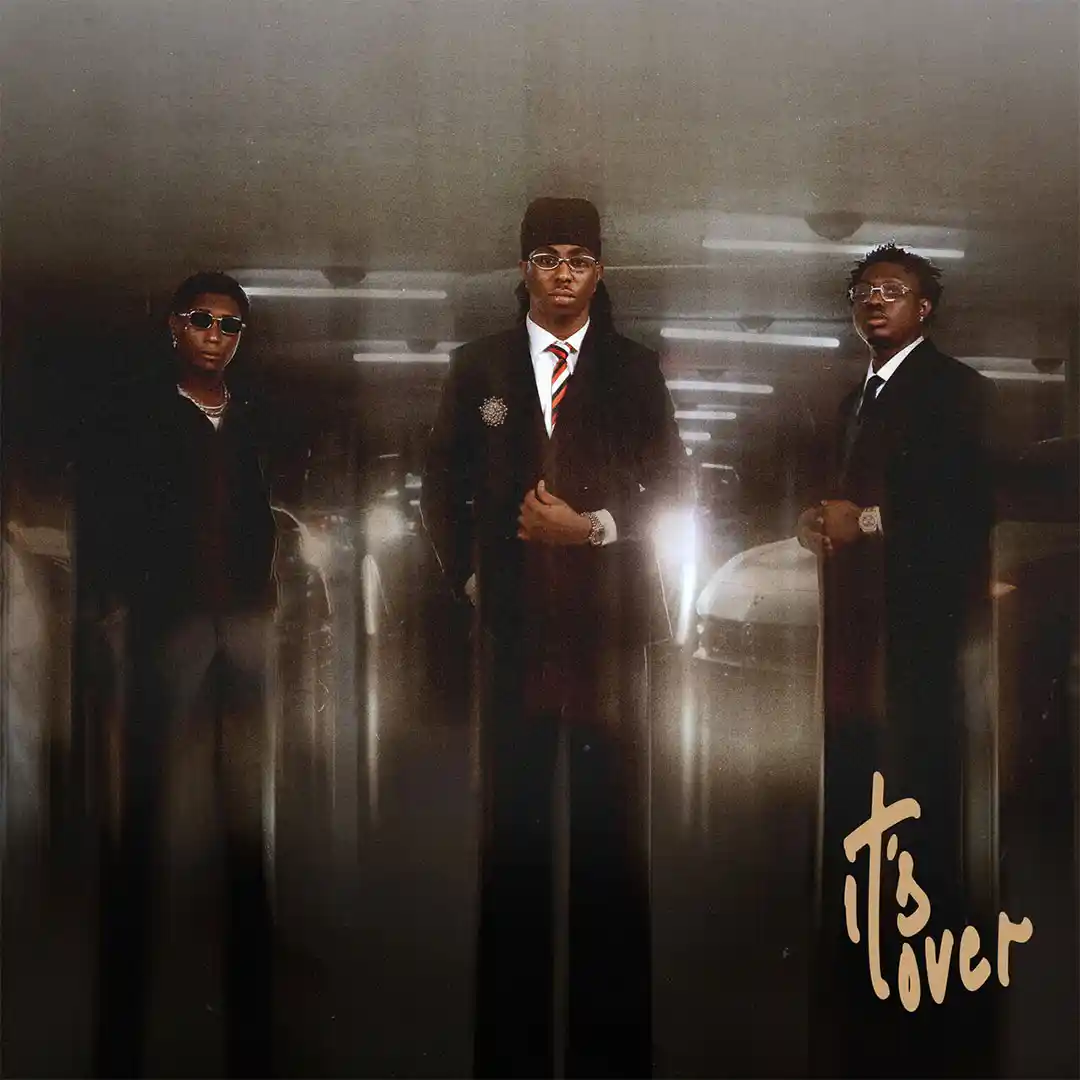 FOLA – it’s over ft. Bella Shmurda & Zlatan
-
 Rema – Oh No
-
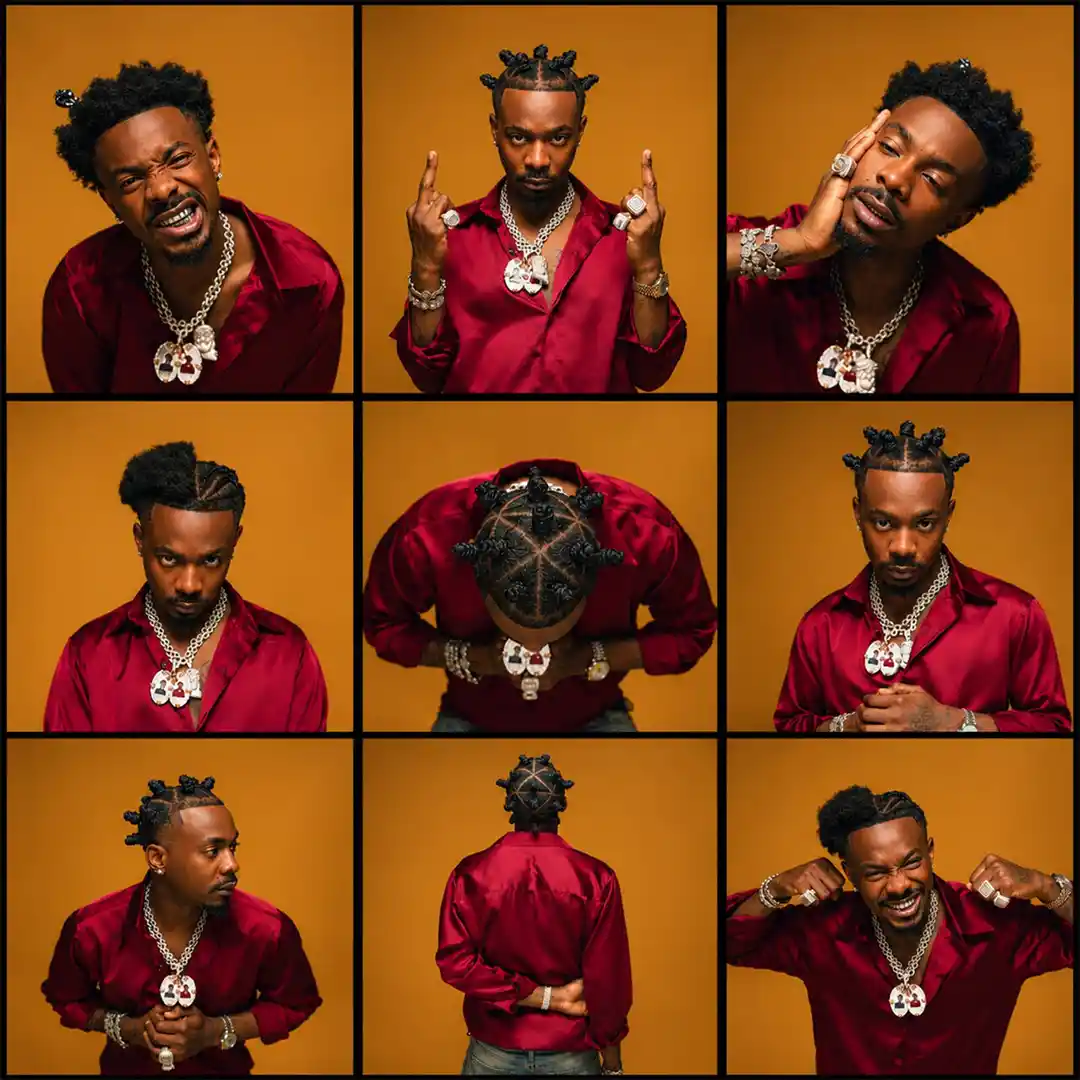 Young Jonn – Hold Somebody
-
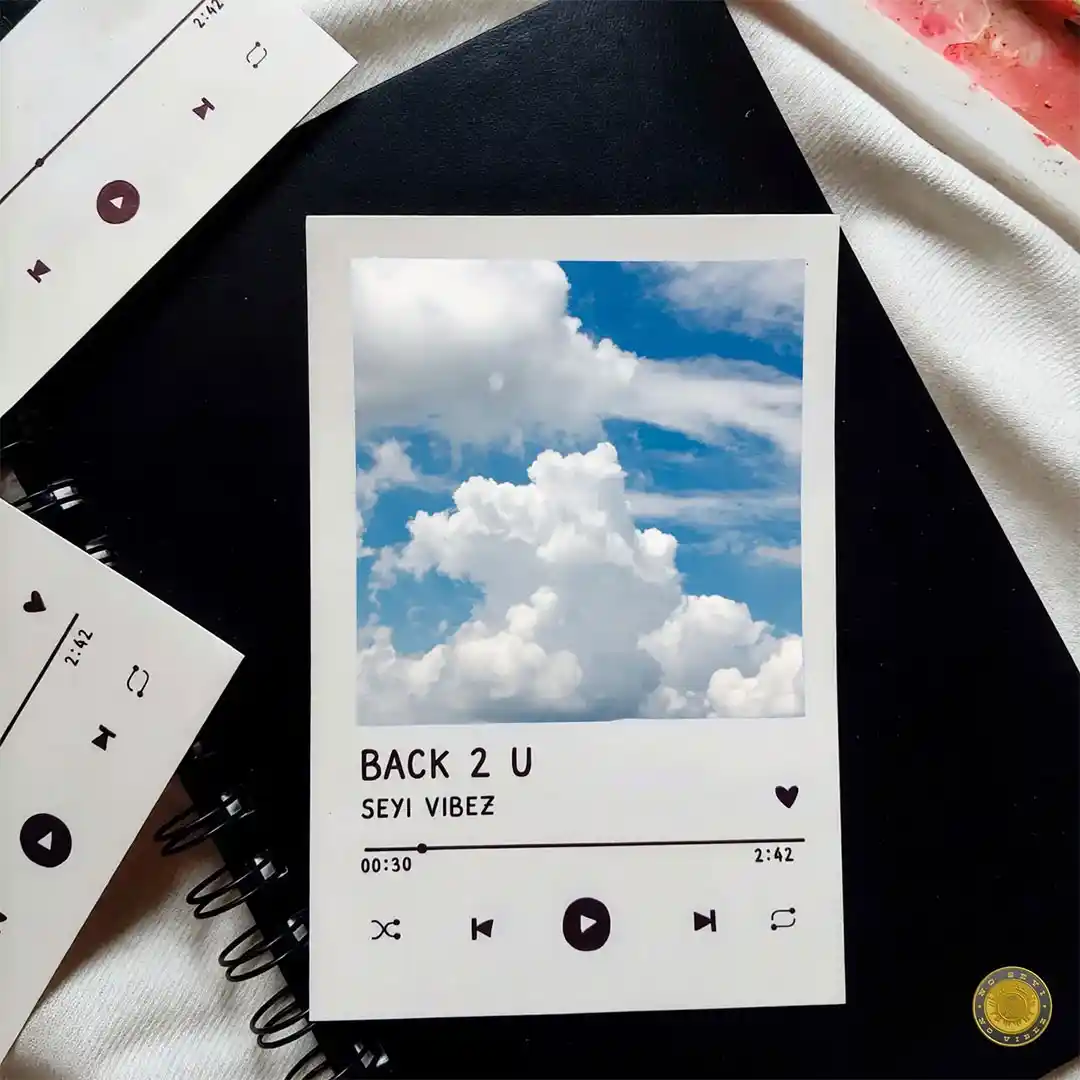 Seyi Vibez – BACK 2 U
-
 Phyno – Healing
-
 Zinoleesky – Dantata
Do you find Loadedsongs useful? Click here to give us five stars rating!