
Nigerian Artists in Sports Culture: Football, Esports, and Fan Communities
Comment


Nigerian Artists and Sports: Music, Football and Esports Connections
Sport and music run on the same fuel – rhythm, repetition, and the crowd’s ability to turn one moment into a shared memory – so it makes sense that the biggest match nights and the biggest songs often end up living in the same conversation, even when nobody planned a “crossover” in a boardroom.
A modern watch-party routine is almost always multi-screen, because someone is tracking lineups, someone is arguing about pressing triggers, and someone is quietly checking odds for a small entertainment stake, and when fans keep that behavior controlled, download melbet apk latest version fits into the same phone ecosystem that already holds playlists, ticket QR codes, and match alerts. Sports betting stays healthiest when it is budgeted before kickoff, treated as a single decision rather than a running commentary, and kept small enough that the match remains the main event instead of becoming a private stress test. A calm rule is simple: pick the angle you believe in, lock the stake, and watch without trying to “fix” randomness in real time, because live markets move fast and fast movement can invite impulsive clicks. The funny part is that fans already do deep analysis for free – formations, matchups, fatigue – so the discipline is not learning more, it is learning when to stop acting. When the limits are clear, betting can remain a light extra layer of engagement while the music, jokes, and big moments do the real bonding work.
Football Isn’t Just a Game, It’s a Reference Library
Nigerian pop culture has never needed permission to talk football, because football is a daily language, and artists draw on that language the way filmmakers draw on familiar streets and faces. Lyrics and social posts lean on football metaphors – confidence, rivalries, “form,” pressure – because those words carry meaning without heavy explanation, and fans immediately understand the emotion behind them.
That connection also works in reverse, since footballers and football audiences adopt music as part of their own identity performance: walkout songs become personal signatures, warm-up playlists set mood, and the stadium DJ becomes an unofficial co-author of the match narrative. The artist doesn’t need to “partner” with a club for this to matter; the crowd deciding a song belongs to a moment is already a kind of cultural contract.
When Live Sport Turns Into Live Show
The clearest, most verifiable connection is the performance stage that appears around major fixtures, because organizers know the match is an attention magnet and music helps frame it as an event rather than only a contest. Burna Boy’s appearance at the UEFA Champions League Final Kick Off Show in 2023 put a Nigerian global star directly inside one of football’s biggest broadcast windows, with the sort of spectacle that makes even neutral viewers pause scrolling for a second.
Another clean example sits in tournament music itself: Davido’s “Hayya Hayya (Better Together)” was released as part of the FIFA World Cup Qatar 2022 official soundtrack, which is a different kind of connection but still a real one, because it links a Nigerian artist to football’s most famous competition in the way fans actually experience it – through broadcasts, playlists, and repeat listens.
Esports: The Shortcut Bridge Is Football Gaming
When people say “esports,” they often picture arena shooters first, yet the most natural bridge for football culture is football gaming, because it keeps the same tribal energy – clubs, rivalries, debates – while adding the extra obsession of controller mechanics and tactics you can test instantly. This is where Nigerian artists show up in a way that is easy to document without inventing any fictional sponsorships: official game soundtracks.
Fireboy DML’s “Scatter” being featured on FIFA 21’s official soundtrack is a concrete example, because it places a Nigerian song inside a game that millions treat as their default sports hangout, where the track gets heard not once but hundreds of times across menus and sessions. The same pattern continued with FIFA 23, which featured Pheelz & BNXN’s “Finesse,” another straightforward link between Nigerian music and the football-gaming ecosystem that fuels esports-adjacent communities and streaming culture.
Fan Communities: Where Songs Become Signals
The most important part is not the official stage or the official soundtrack, it’s what fans do with it, because fans are the distribution network that turns a song into a sports ritual. Watch parties develop micro-traditions – certain tracks for goals, certain tracks for halftime reset, certain tracks that get played when the chat turns spicy – until the music becomes a timing device for emotion.
You also see this in how online communities behave: clips get edited with familiar hooks, match reactions get paired with choruses people can chant, and even tactical debates become more social when the background sound is shared. None of that needs a contract; it only needs repeat behavior, and sport is built on repeat behavior.
Betting Talk Is Part of the Crowd Noise, So Control Matters
Once the match becomes a social event, betting chatter tends to rise, because people are already trading predictions and arguing about small details, and a platform melbet app kenya can sit inside that routine for fans who choose a controlled entertainment stake. The key is that control comes first: decide your amount before the match, keep the number of bets low, and avoid turning every momentum swing into a new decision, because repeated in-play action is where the mood can flip from fun to tense. Sports betting should never be the reason the room gathers; it should be small enough that the room would still be happy if nobody placed anything at all. A practical habit is switching the phone face-down after the bet is placed, so the match and the music stay central and the screen doesn’t become the boss of the evening. When discipline holds, betting remains a side note, and the real reward is still the shared reaction when football does what football always does: something ridiculous that nobody predicted.
What Venues and Organizers Can Learn Without Faking Partnerships
The safest “connection strategy” is not pretending every artist is officially tied to a team, it’s building environments where both cultures thrive naturally: decent sound systems, predictable scheduling, and fan spaces that feel welcoming rather than extractive. For clubs and promoters, that means understanding that the crowd doesn’t want corporate awkwardness, it wants authenticity – music that fits the moment, artists who respect the sport’s emotional tempo, and events that don’t treat fans as wallets on legs.
If you keep it real, Nigerian artists will keep showing up in sports culture the way they already do: through performances that hit the broadcast window, tracks that live inside the games people play, and fan communities that turn sound into identity.
Top 20 Hottest Songs Right Now!!!
-
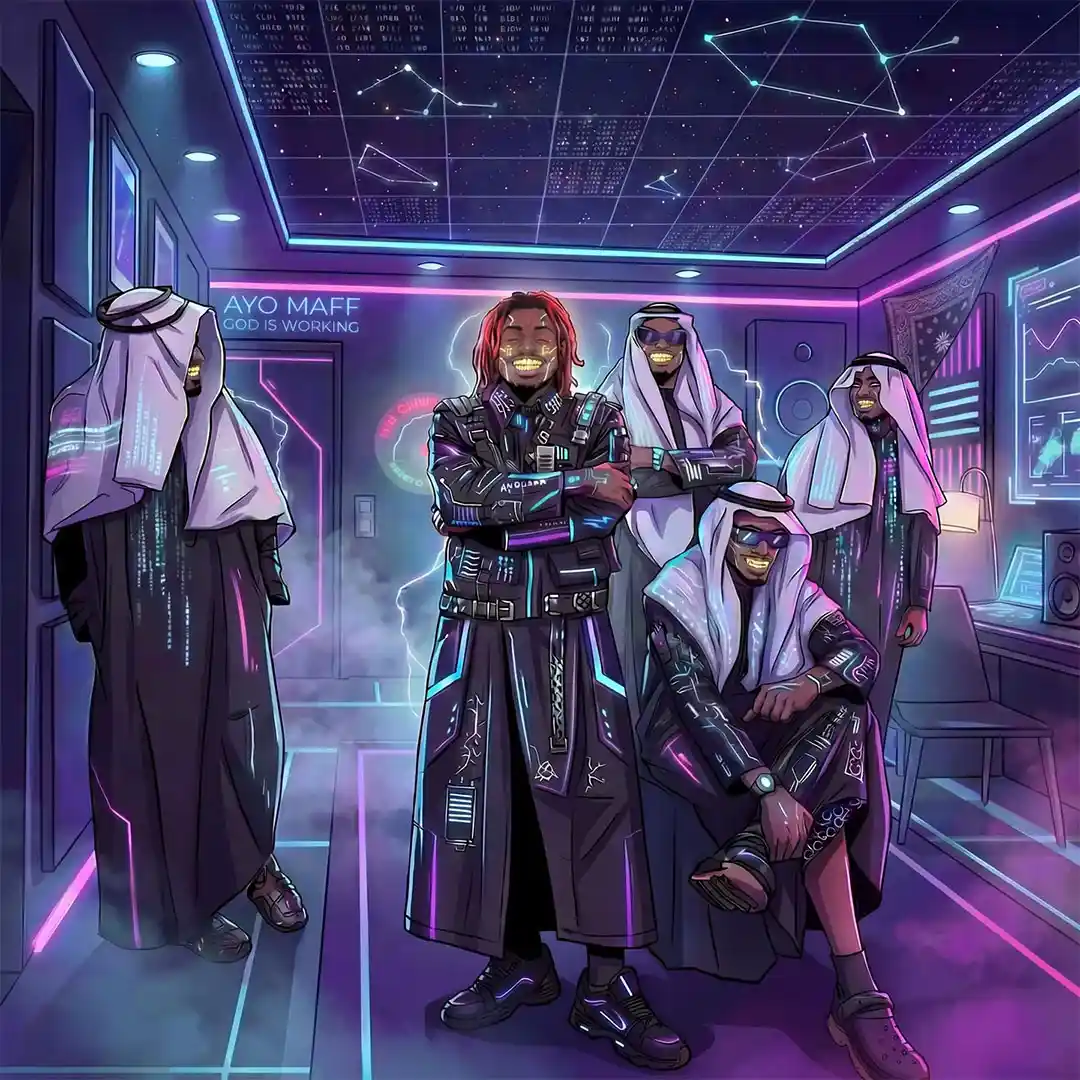 Ayo Maff – God is working
-
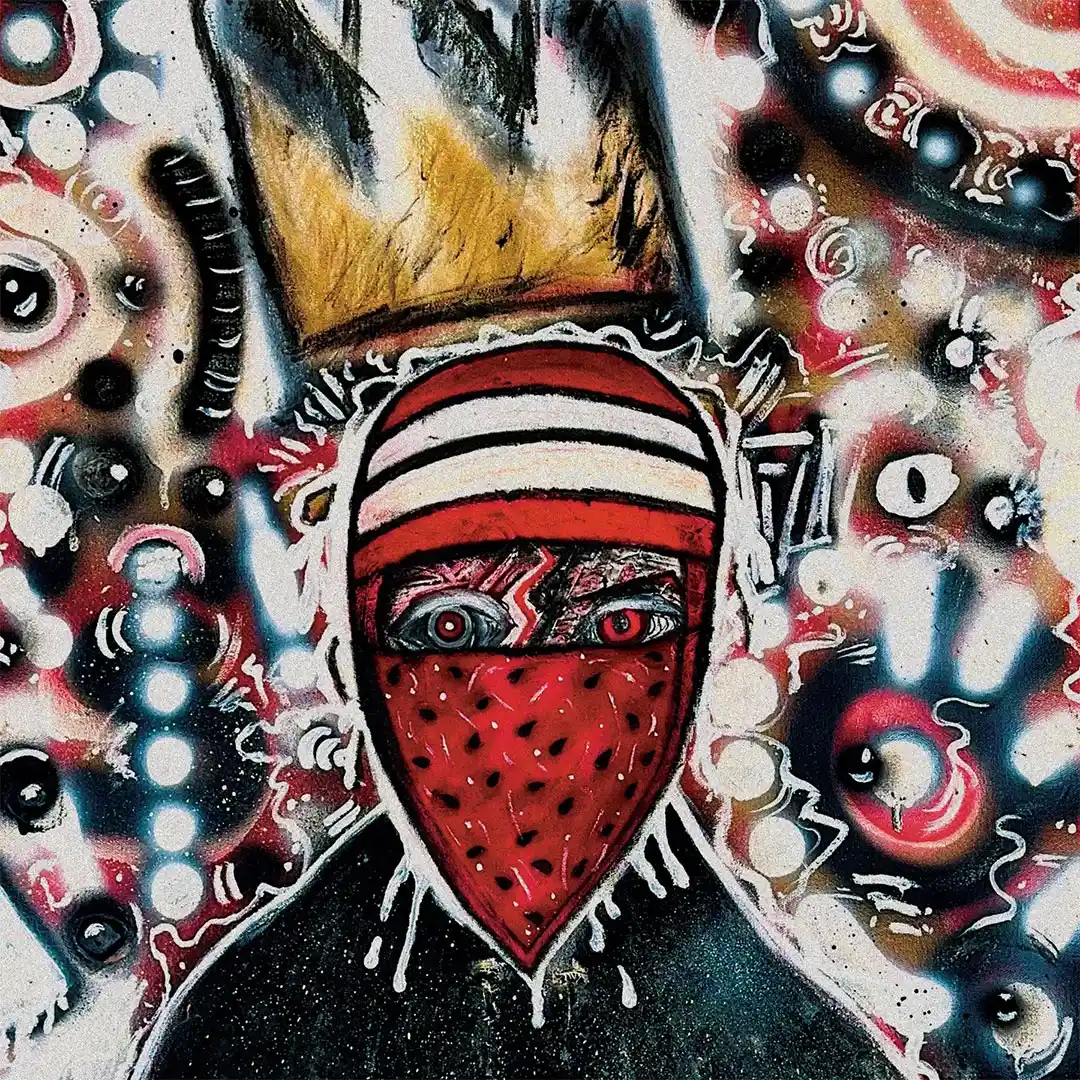 ODUMODUBLVCK – They Love Me
-
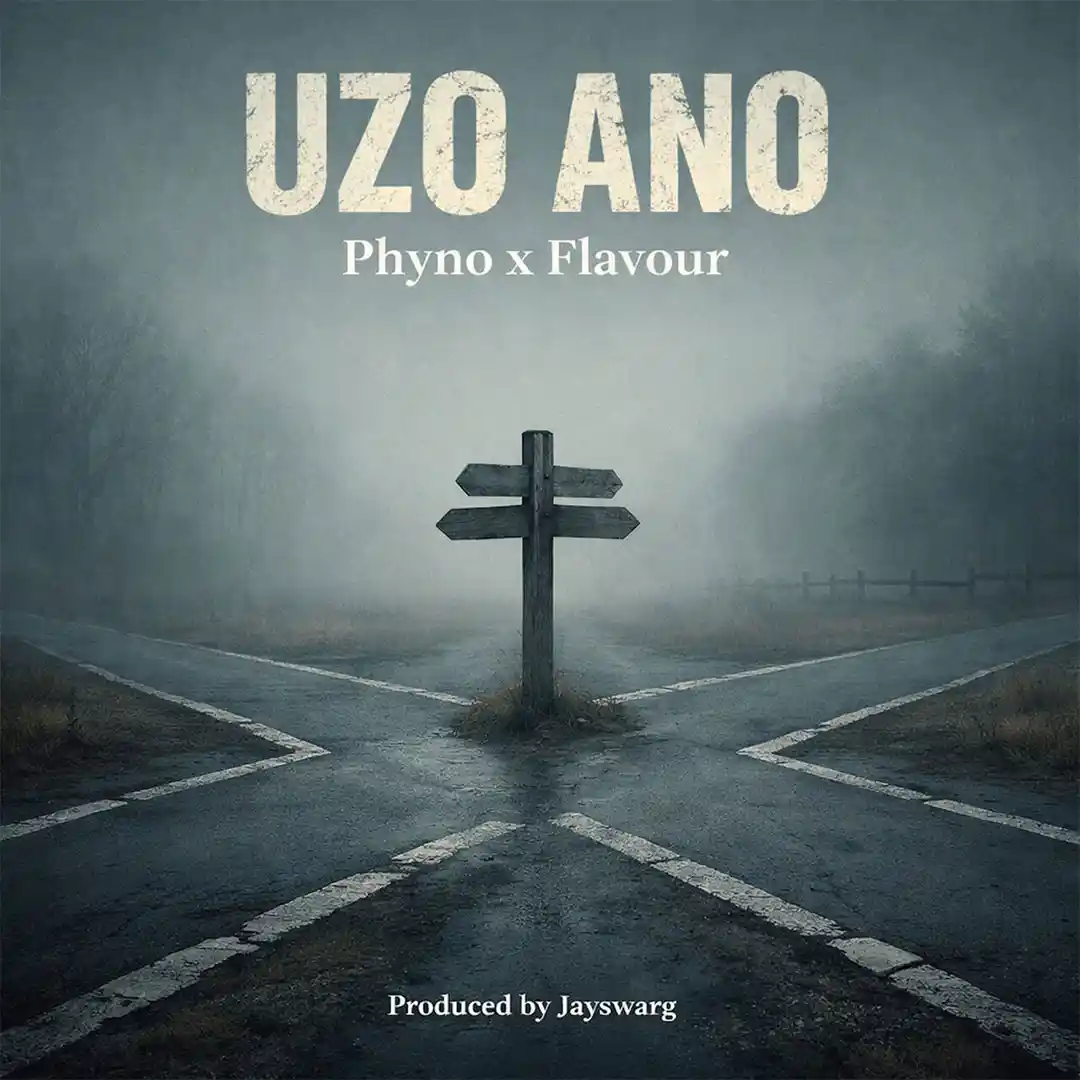 Phyno – Uzo Ano ft. Flavour
-
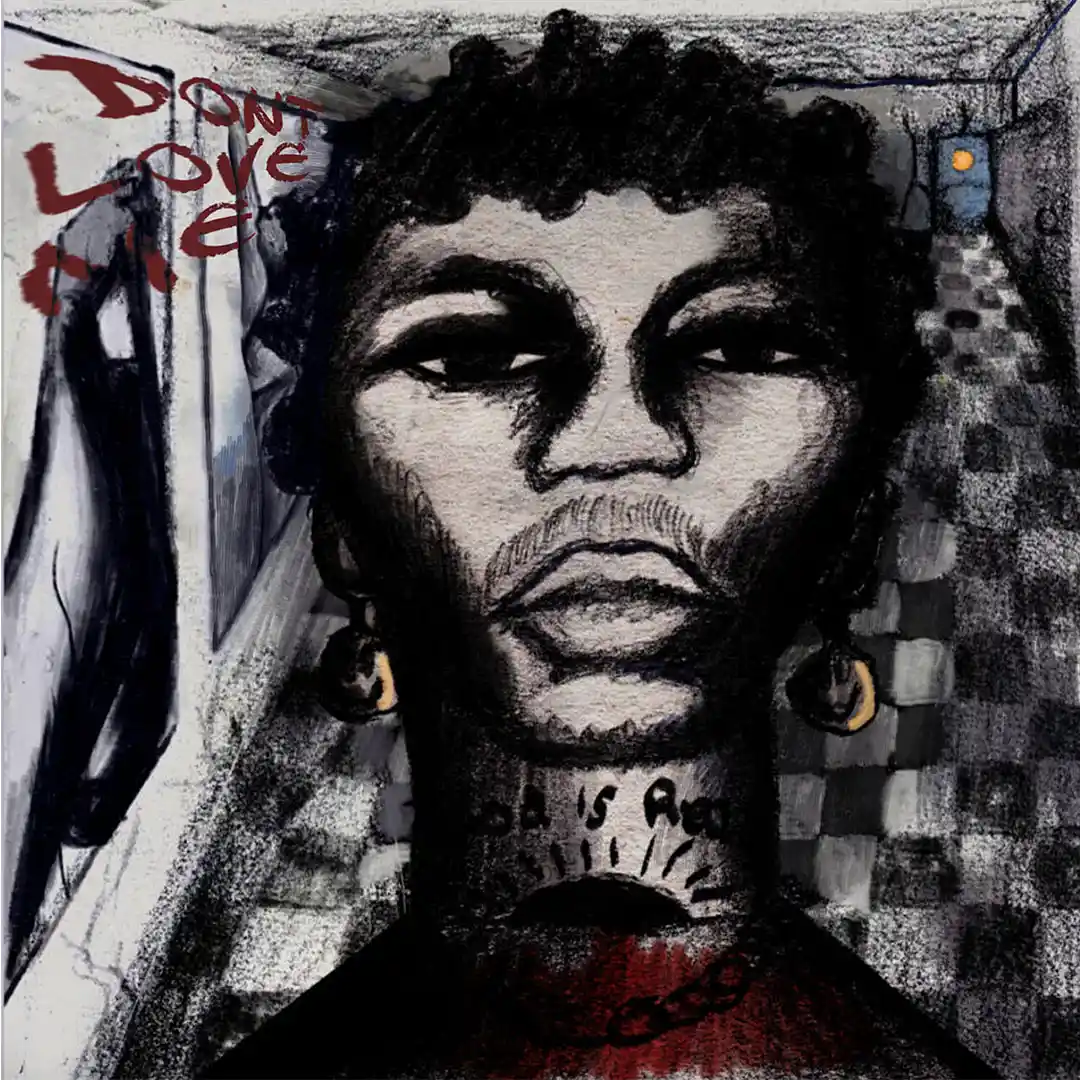 Omah Lay – DON’T LOVE ME
-
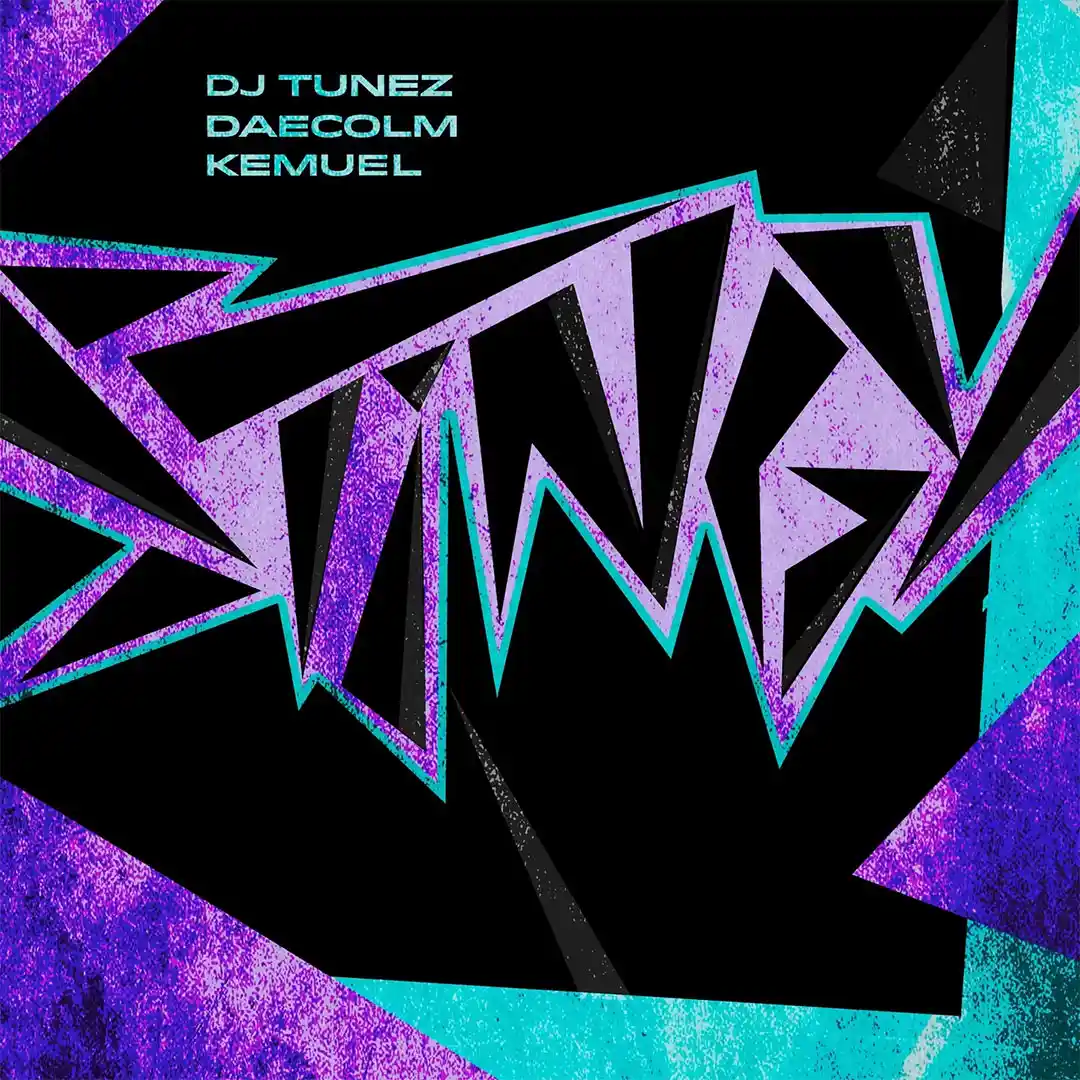 DJ Tunez – STINGY ft. Daecolm, Khaid & Kemuel
-
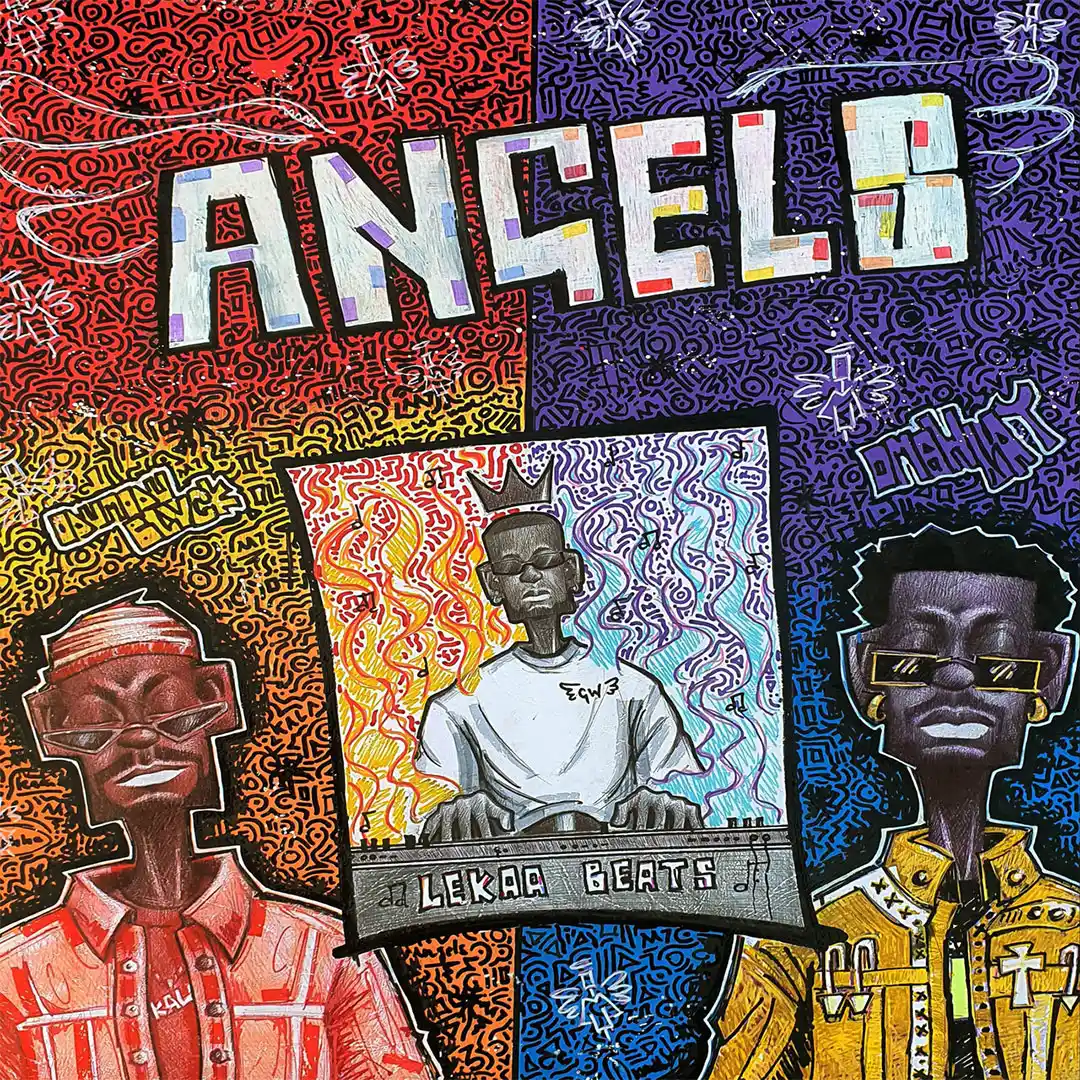 Lekaa Beats – ANGELS ft. Omah Lay & ODUMODUBLVCK
-
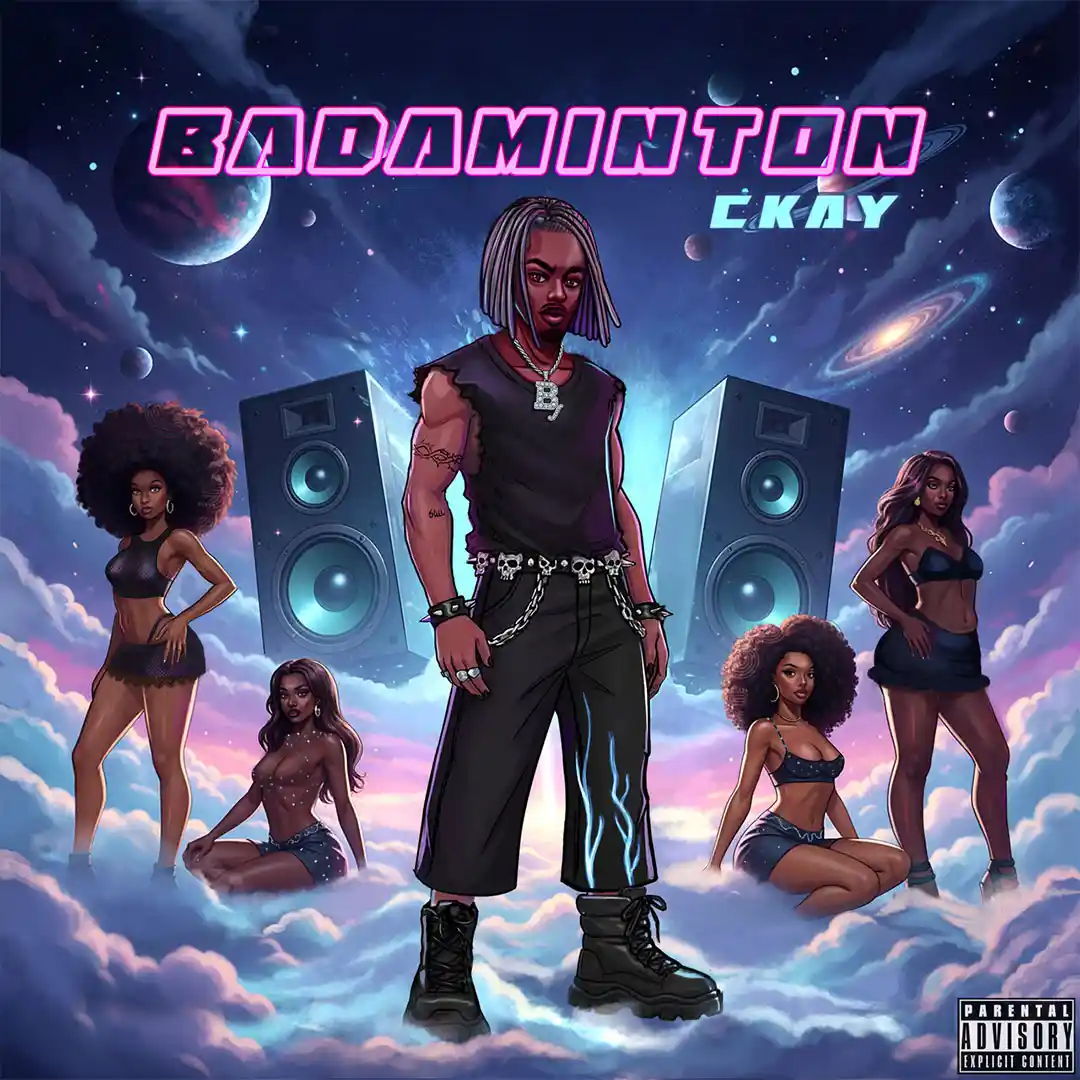 CKay – BADAMINTON
-
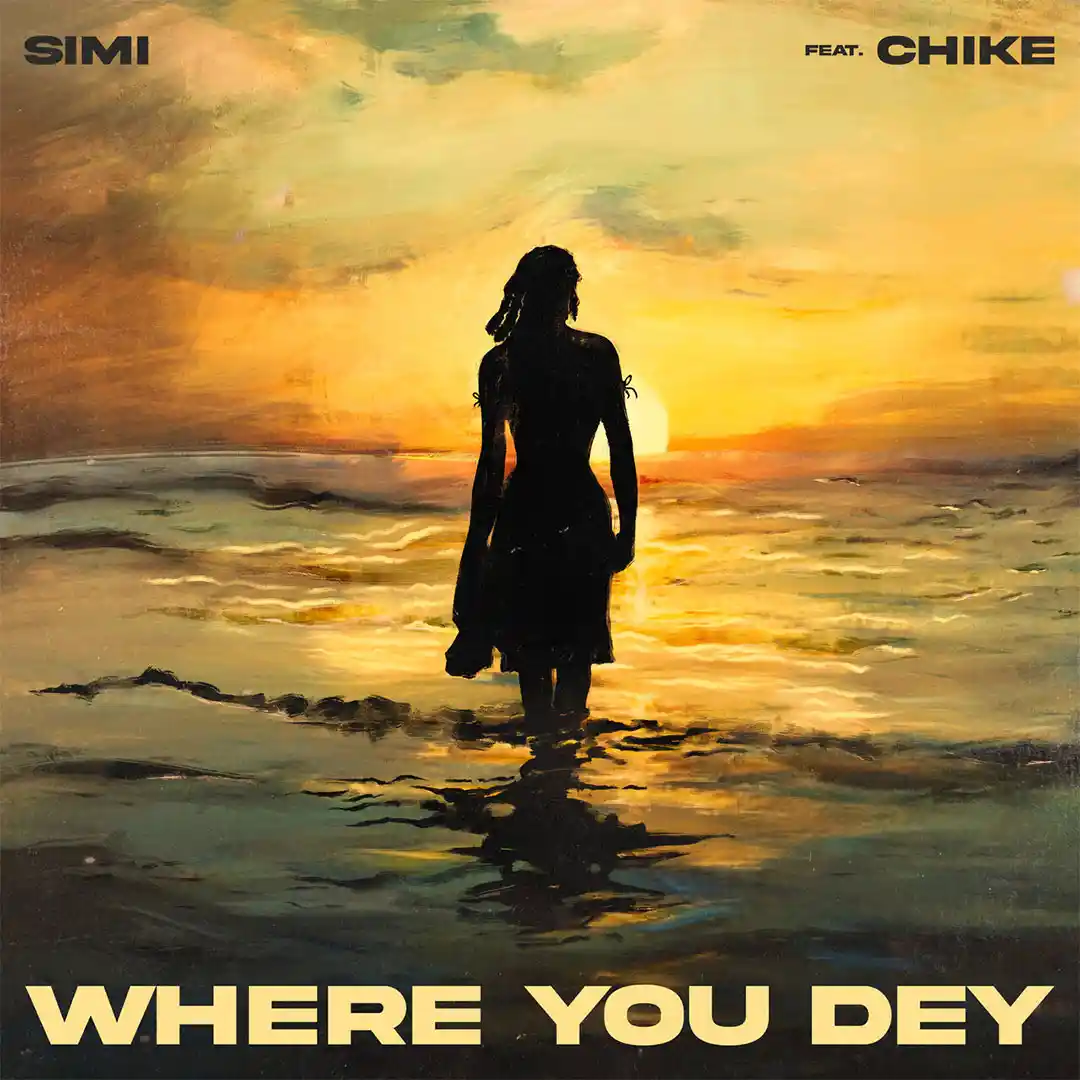 Simi – Where You Dey ft. Chike
-
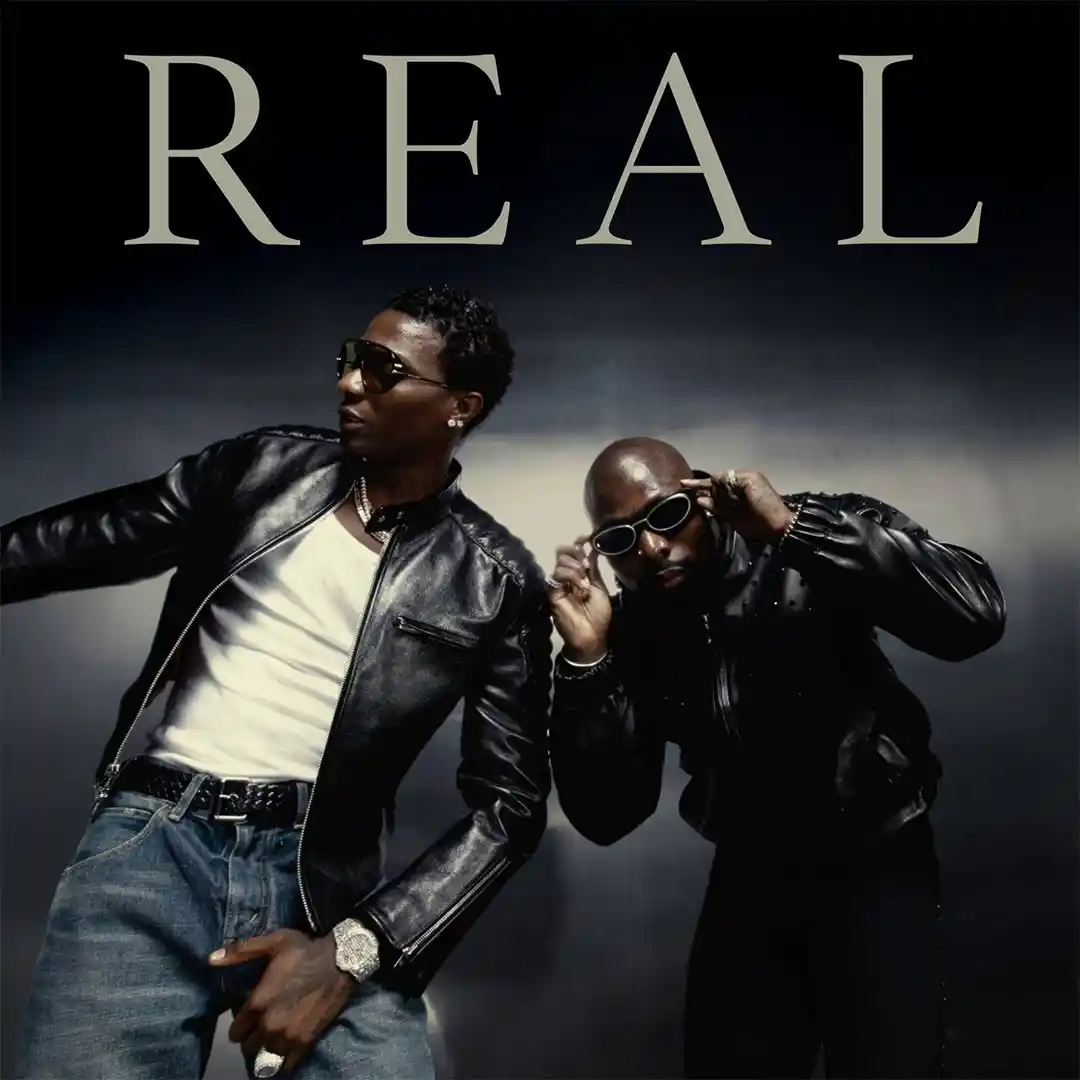 Wizkid & Asake – Alaye
-
Wizkid & Asake – Iskolodo
-
Wizkid & Asake – Turbulence
-
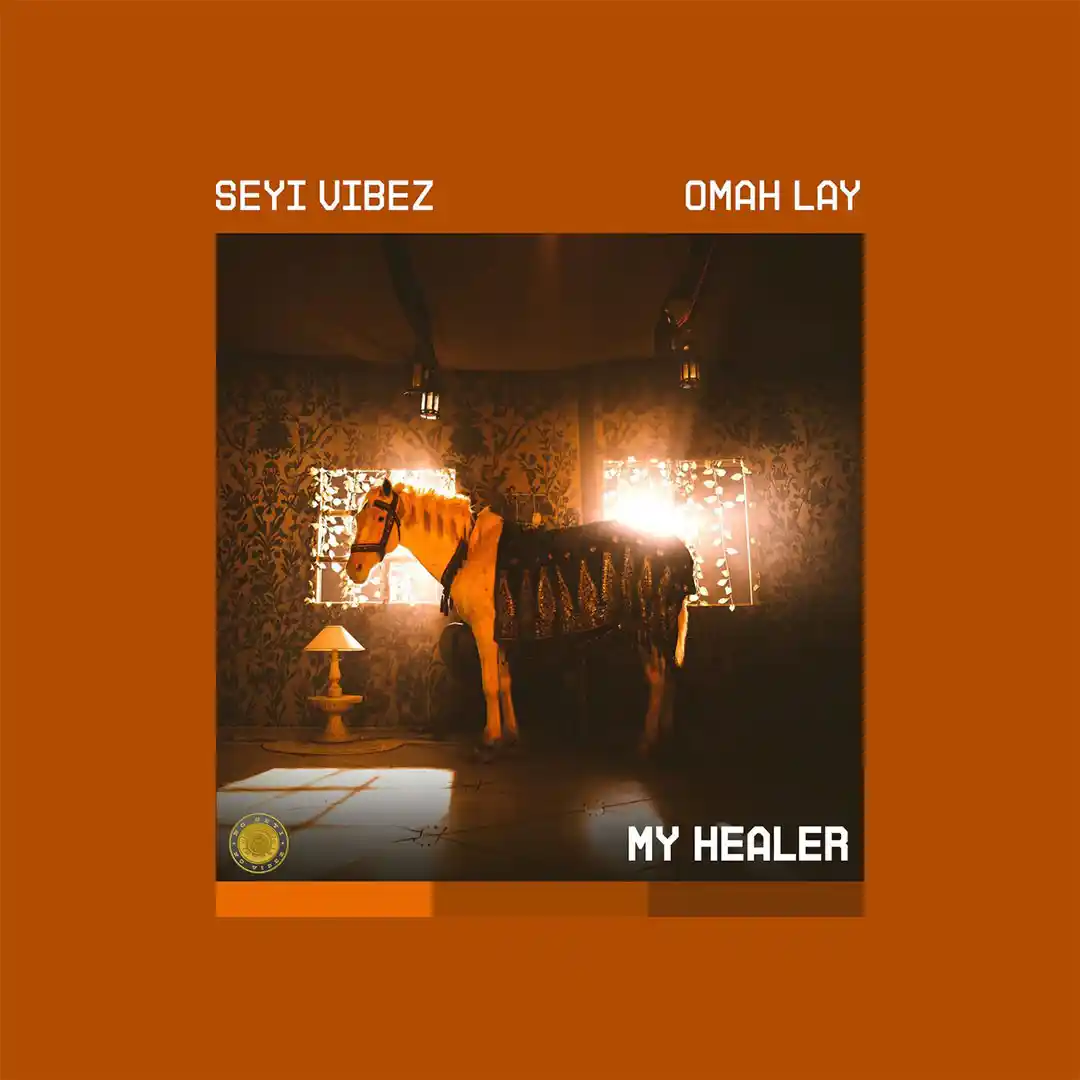 Seyi Vibez – MY HEALER ft. Omah Lay
-
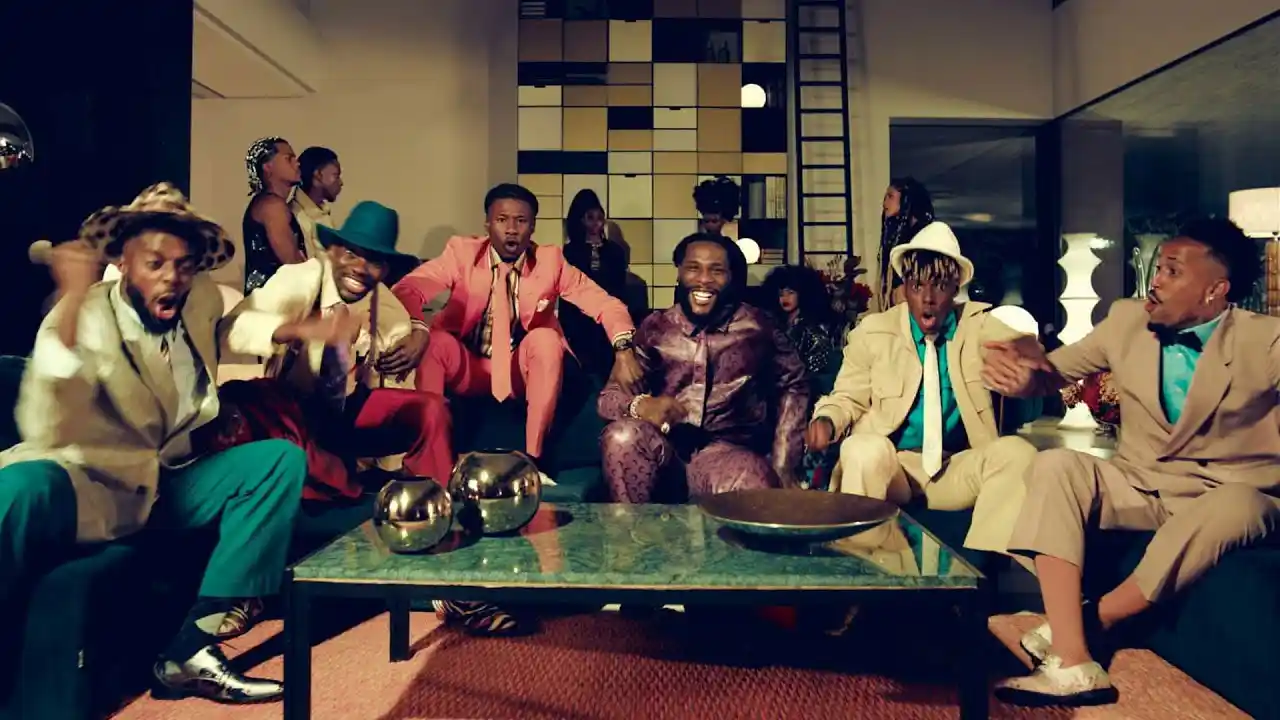 Burna Boy – For Everybody
-
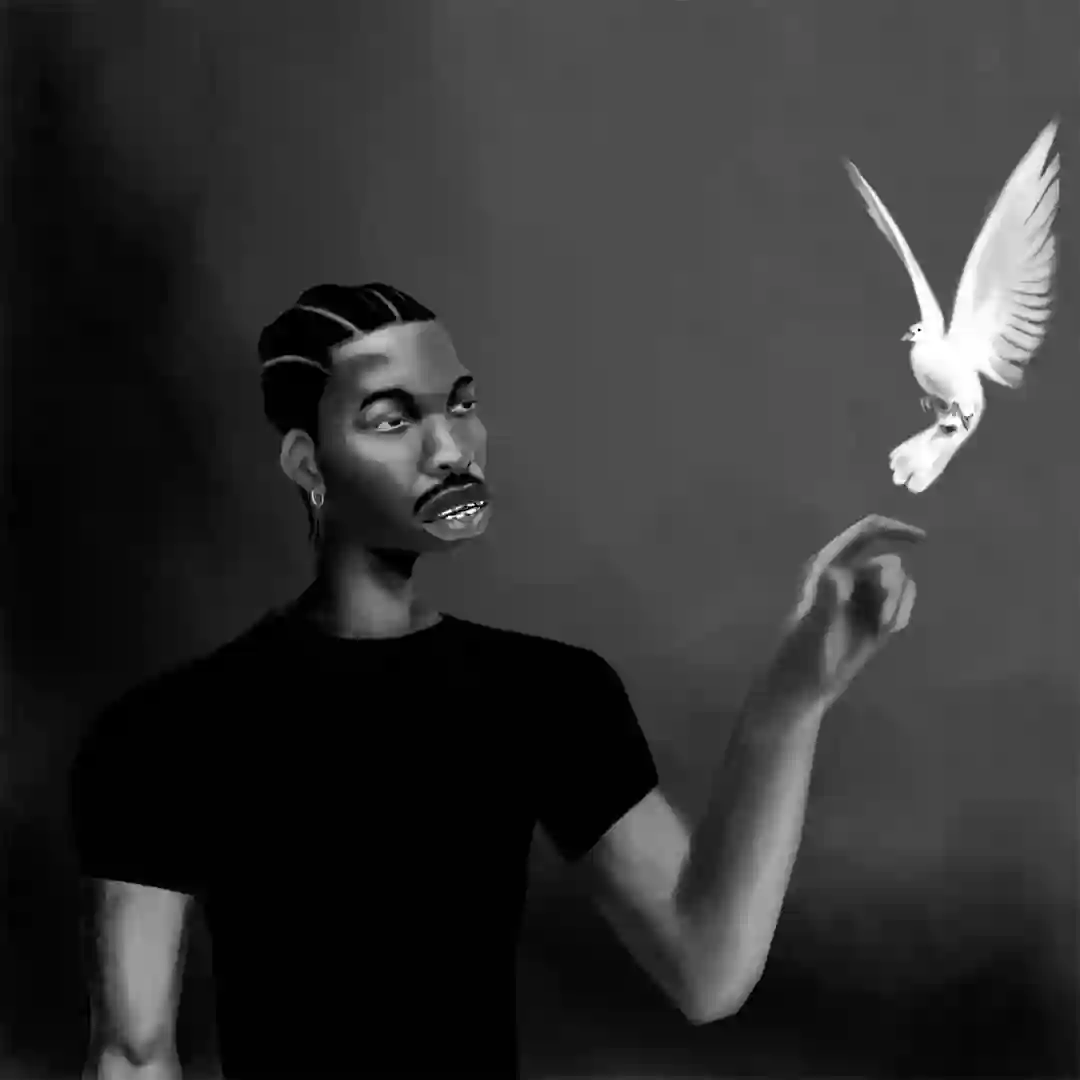 Magixx – Everyday
-
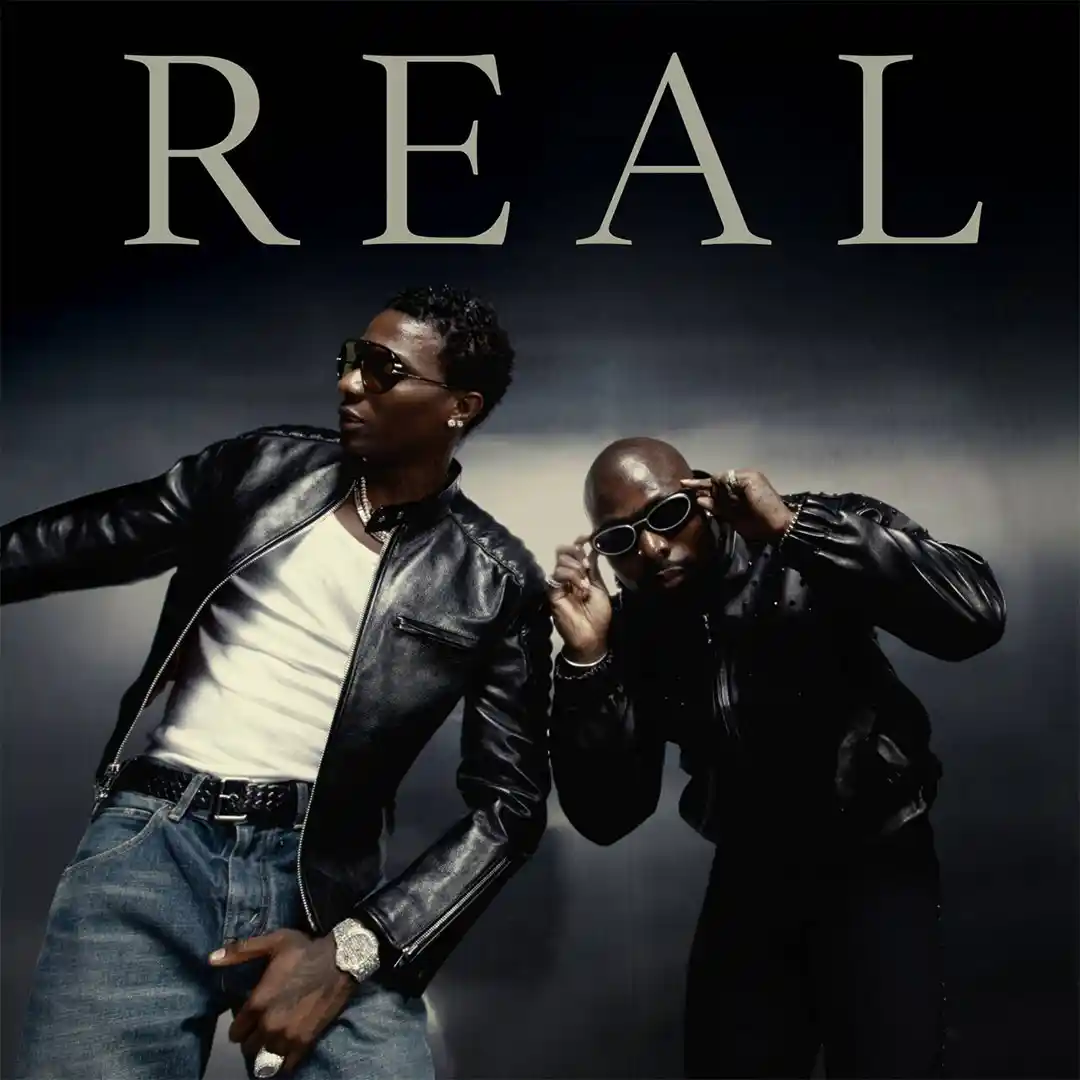 Wizkid – Jogodo ft. Asake
-
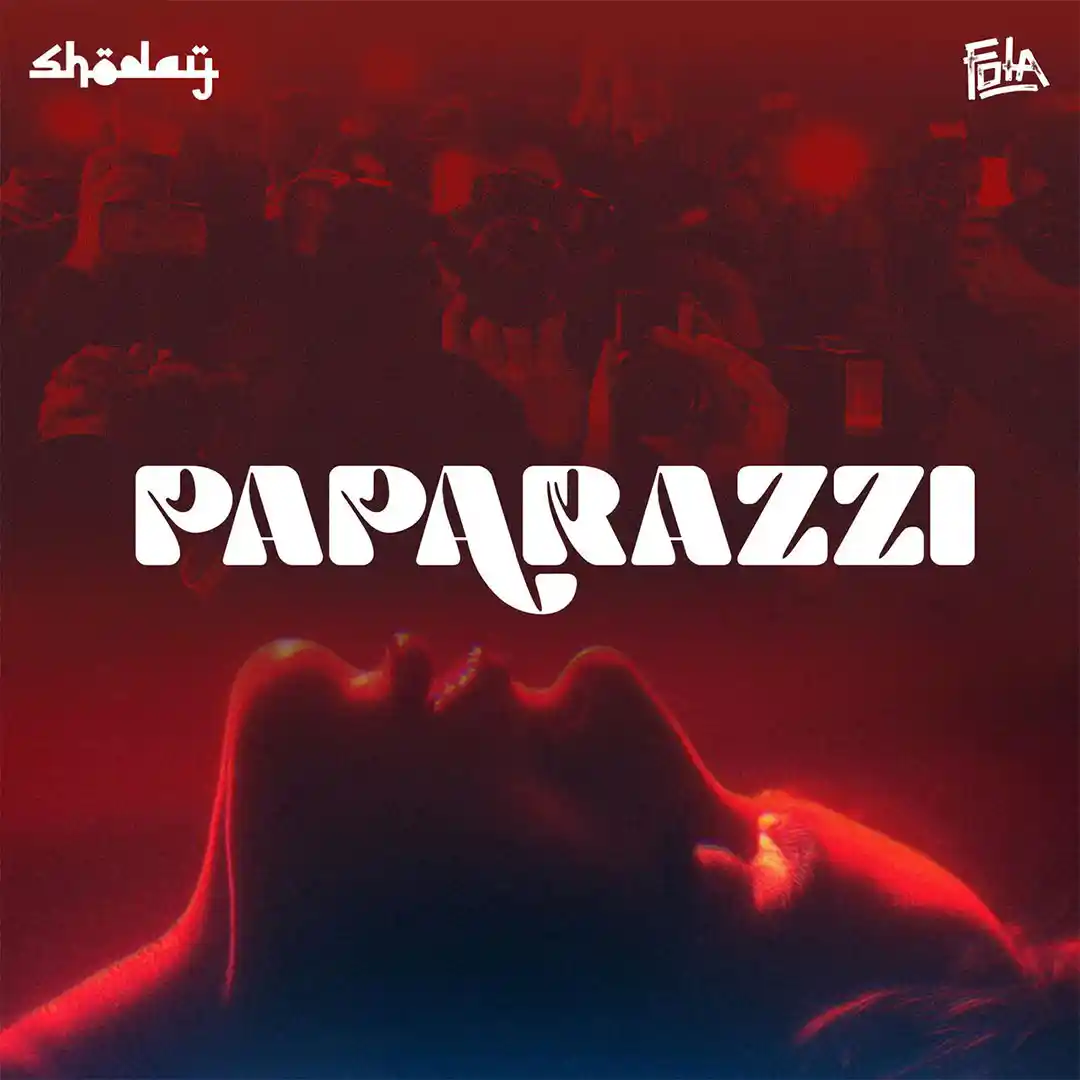 Shoday – Paparazzi ft. FOLA
-
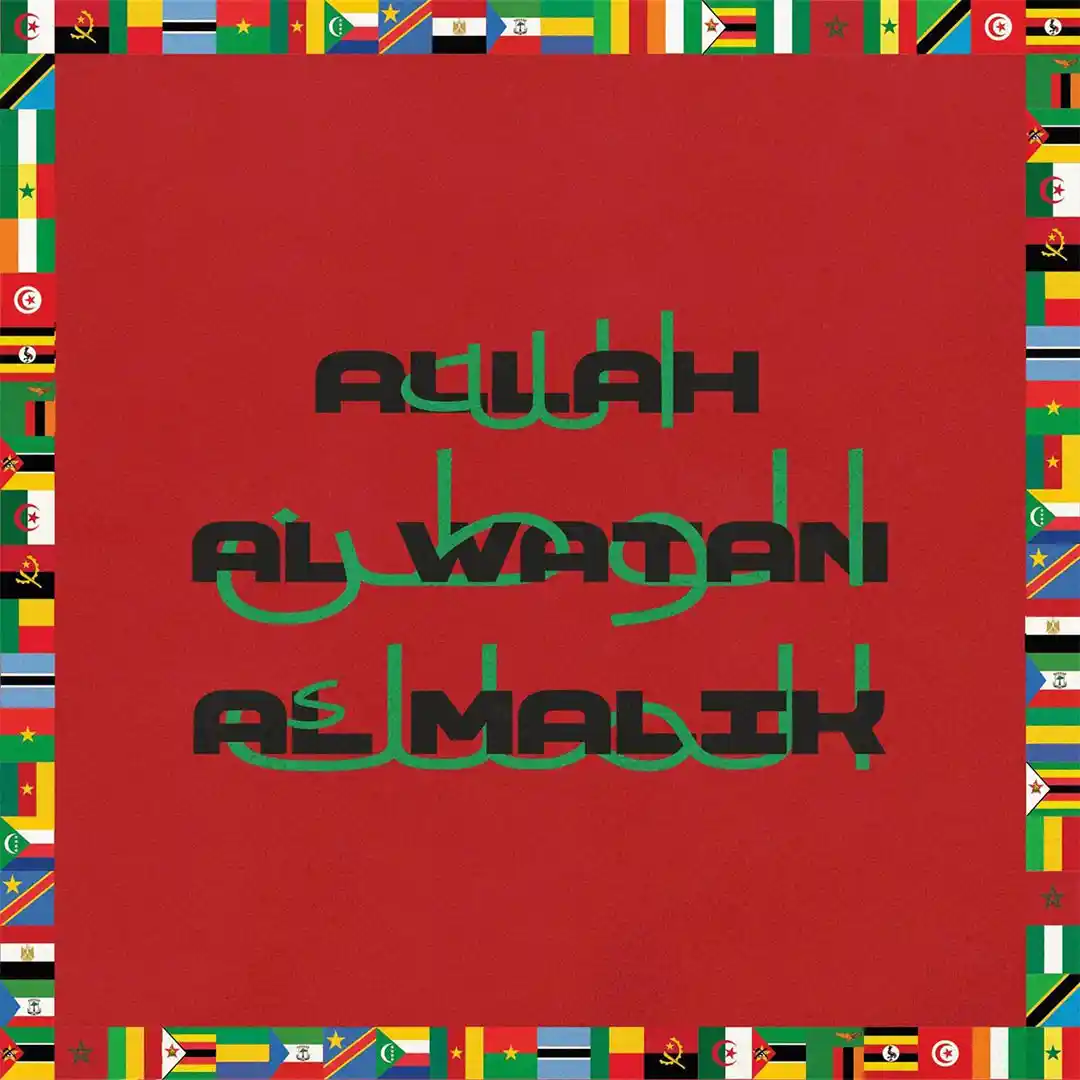 Ayra Starr – Le Show ft. Davido & French Montana
-
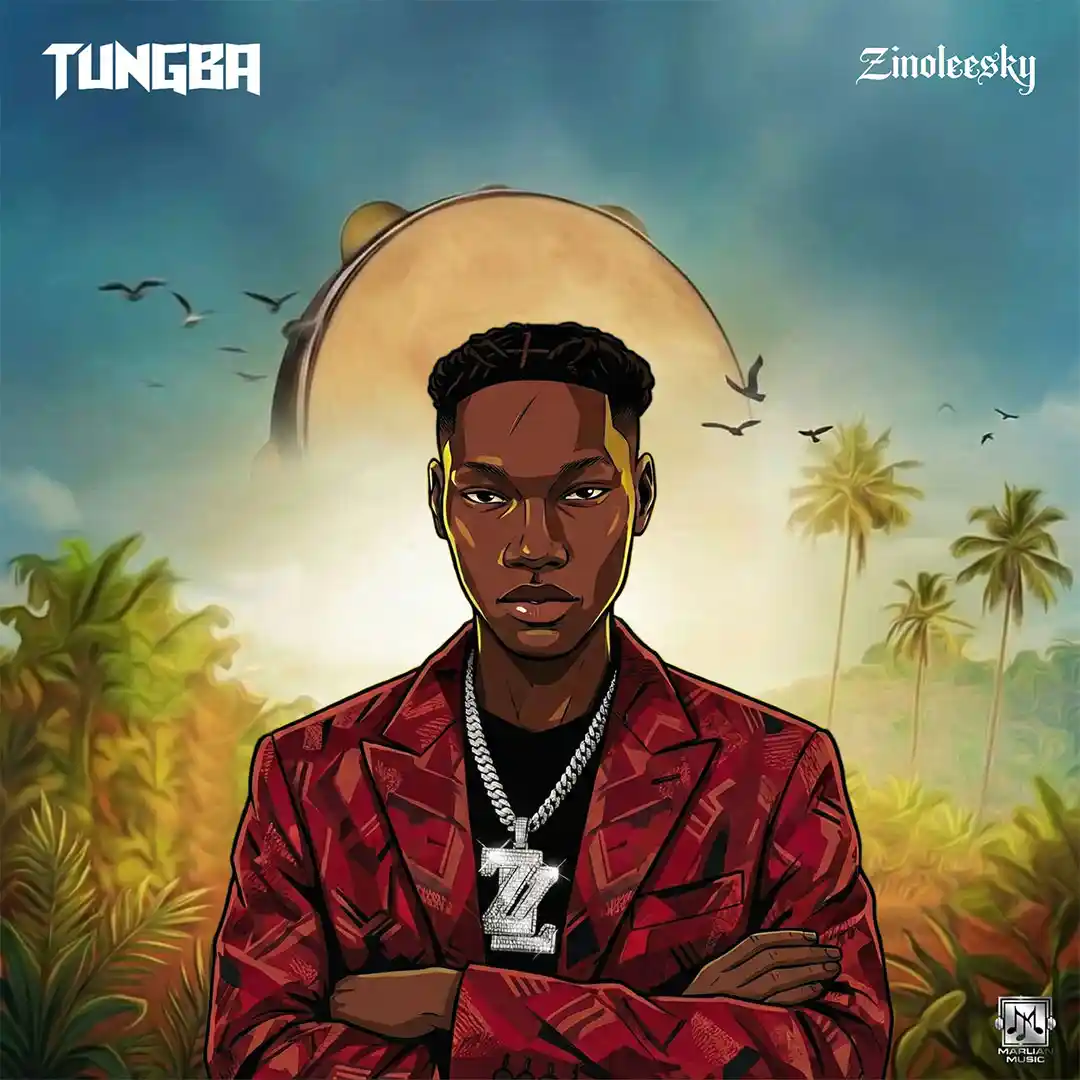 Zinoleesky – Tungba
-
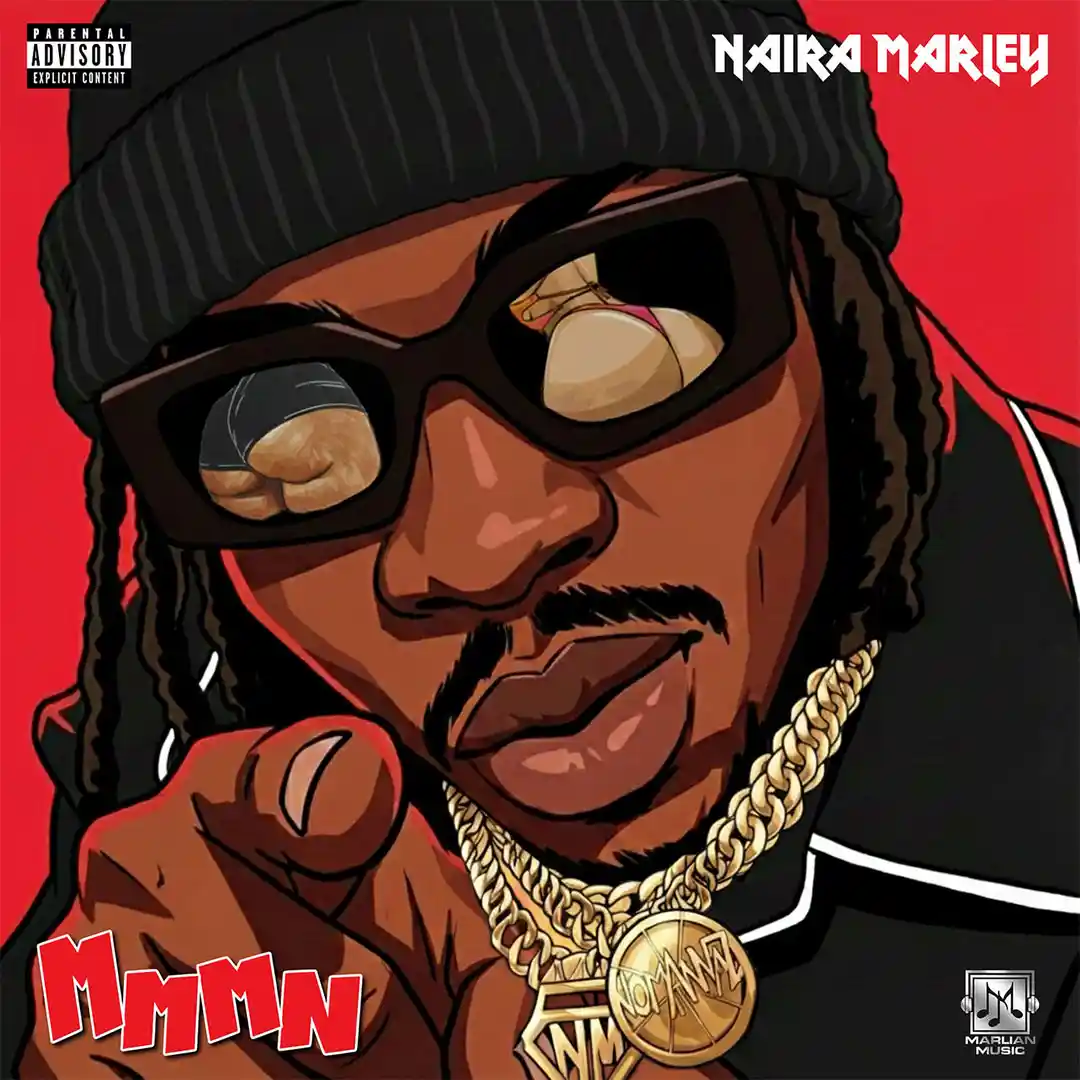 Naira Marley – Mmmn
-
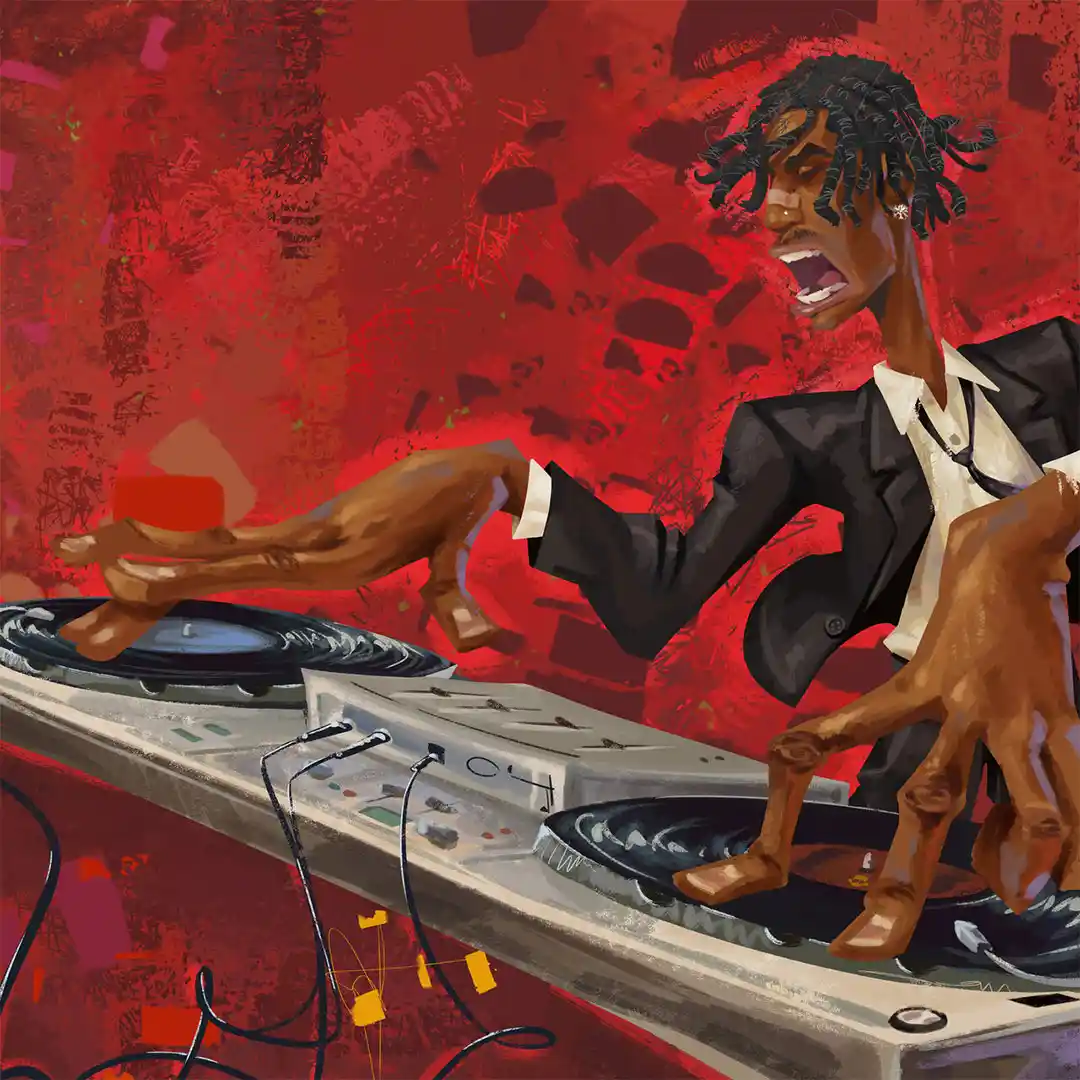 Khaid – SORRY IM NOT SORRY
Do you find Loadedsongs useful? Click here to give us five stars rating!