
Music, Big Matches, and the Entertainment Economy Around Sports Events
Comment


Music, Big Matches and Money: How Sports Events Impact the Entertainment Industry
A big sports event doesn’t only fill seats; it fills schedules, because the match is a timing anchor that tells bars when to staff up, tells promoters when to book DJs, and tells venues when the crowd will arrive already emotionally warmed up.
The economic ripple is so predictable that even casual fans recognize the pattern: match day means packed screens, packed streets, and a nightlife curve that rises earlier than usual, and that curve also pulls attention toward sports betting for those who treat it as entertainment rather than income. A controlled stake on ethio betting can feel like part of the pre-match ritual when the bettor decides a fixed amount before the first whistle and keeps the decision count low, because the biggest risk is not losing a small wager, it is letting constant in-play action hijack the night. Sports betting markets move fast, and fast movement tempts fast reactions, so the healthier habit is one planned bet, then you watch and talk and let the match breathe. That discipline matters because the entertainment industry is selling a mood – music, social time, atmosphere – and repeated betting decisions can quietly turn that mood into tension if people start chasing. Kept modest and pre-planned, betting stays a side activity while the venues, playlists, and crowd energy remain the main attraction.
The Calendar Effect: Why Promoters Love Tournaments
The entertainment industry thrives on predictability, and tournaments create it, because fixtures are announced in advance and fans plan around them. That planning changes behavior: people travel, book tables, coordinate meetups, and treat the match as the centerpiece of a longer night rather than a two-hour appointment.
This is why “big match weekends” often look similar across different scenes: earlier doors, themed nights, extra security, and lineups designed to match the crowd’s emotional tempo, since a venue that misreads the tempo – too slow when fans are buzzing, too aggressive when fans are tense – loses the room quickly.
Bars, Clubs, and the Two-Phase Night
Sports-driven nightlife usually has two phases: the viewing phase and the aftermath phase. The viewing phase is about visibility and sound balance – people want the match clear enough to follow, yet social enough to keep the room alive – while the aftermath phase is where music takes control and the venue decides whether the crowd leaves smiling or irritated.
From a business point of view, this creates staffing and inventory decisions that are not glamorous but crucial: more servers before kickoff, faster service at halftime, smarter crowd flow at full time, and a plan for the result-dependent swing, because a late winner can keep people out longer and a painful loss can empty a room in five minutes.
Fan Festivals and Official Programming Push Foot Traffic
Major competitions don’t rely only on private venues; they often build official public-facing programming that turns cities into event spaces, and that matters because it raises overall foot traffic for everyone nearby. UEFA’s Champions Festival is one visible example of how organizers package football with music and fan culture around a final, creating a multi-day “soft festival” atmosphere rather than only a match ticket. (UEFA.com)
That public layer changes the entertainment map: street performers get more exposure, local venues run themed sets, and people who never planned a club night still end up in one because the festival mood keeps them outside and social for longer.
The Pre-Match Show Model and the Broadcast Multiplier
Broadcast is where sports and music truly fuse, because a performance inside a major broadcast window becomes a marketing event in itself. The UEFA Champions League Final Kick Off Show is a clear example of sport borrowing concert language – headline acts, stage design, pre-match timing – to amplify spectacle and keep global attention locked. (UEFA.com)
For the entertainment industry, that model matters because it trains audiences to expect music around big matches, which then increases demand for adjacent events: after-parties, themed DJ nights, and concert bookings scheduled to catch traveling fan crowds.
Casinos, Late-Night Spending, and the Need for Guardrails
After the match, the entertainment economy often shifts from “shared viewing” to “individual choices,” and that’s where casinos can enter the picture, because people look for one more activity before going home. A casino session at melbet ethiopia casino can be part of that late-night wind-down for adults who choose it, but only when boundaries are strict, since casino formats are designed to be fast, repetitive, and emotionally sticky. The responsible approach sets a fixed budget before the session starts, defines a hard stop point, and avoids the classic trap of “one more round” when the night is already long and decision quality is dropping. Casinos should feel like buying entertainment, not like trying to solve a financial problem, and the moment a person starts chasing, the mood turns from celebration to stress. The ironic part is that big matches already deliver enough dopamine on their own, so casino activity works best when it stays modest and doesn’t compete with sleep, safety, or next-day plans. When guardrails hold, casinos remain optional entertainment and the broader night stays what it should be: music, friends, and the shared afterglow of a match worth talking about.
The Real Winner: Planning, Not Hype
Sports events boost entertainment spending because they concentrate attention, but the venues that benefit most are the ones that plan soberly: clear programming, smart staffing, and a crowd strategy that respects how emotions behave when a match swings late. The night doesn’t need exaggerated promises; it needs good logistics, good sound, and an understanding that fans come for a story, then stay for the atmosphere.
Top 20 Hottest Songs Right Now!!!
-
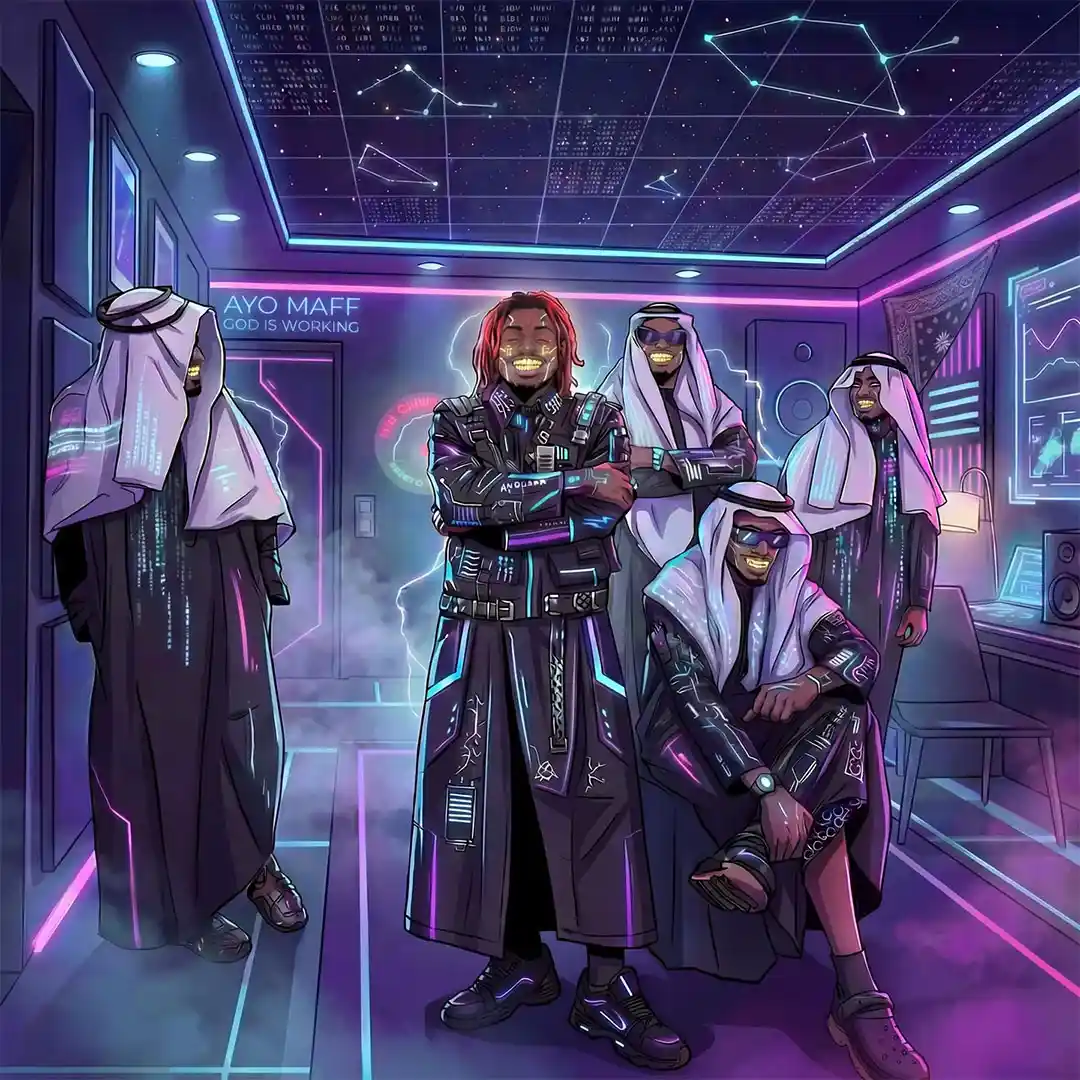 Ayo Maff – God is working
-
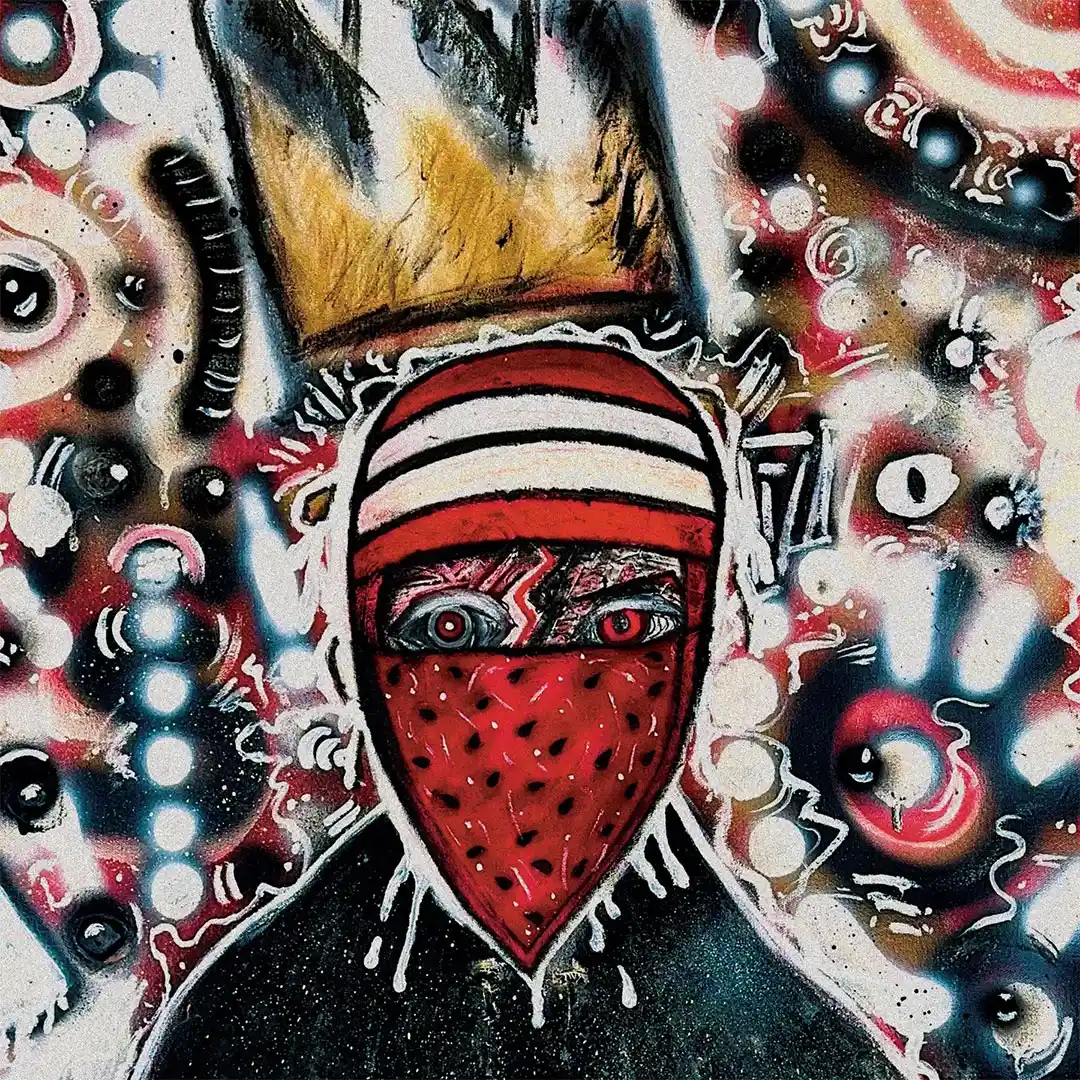 ODUMODUBLVCK – They Love Me
-
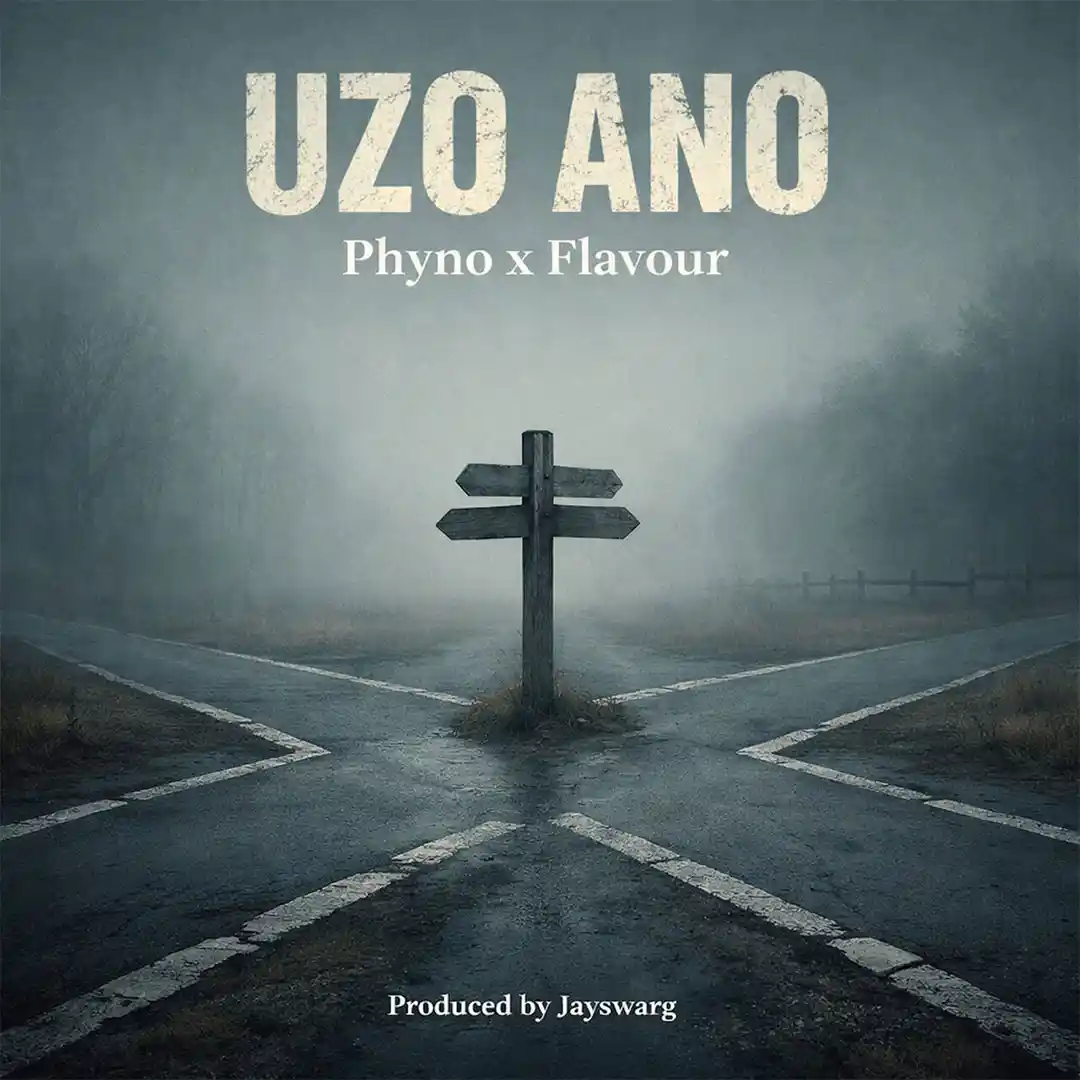 Phyno – Uzo Ano ft. Flavour
-
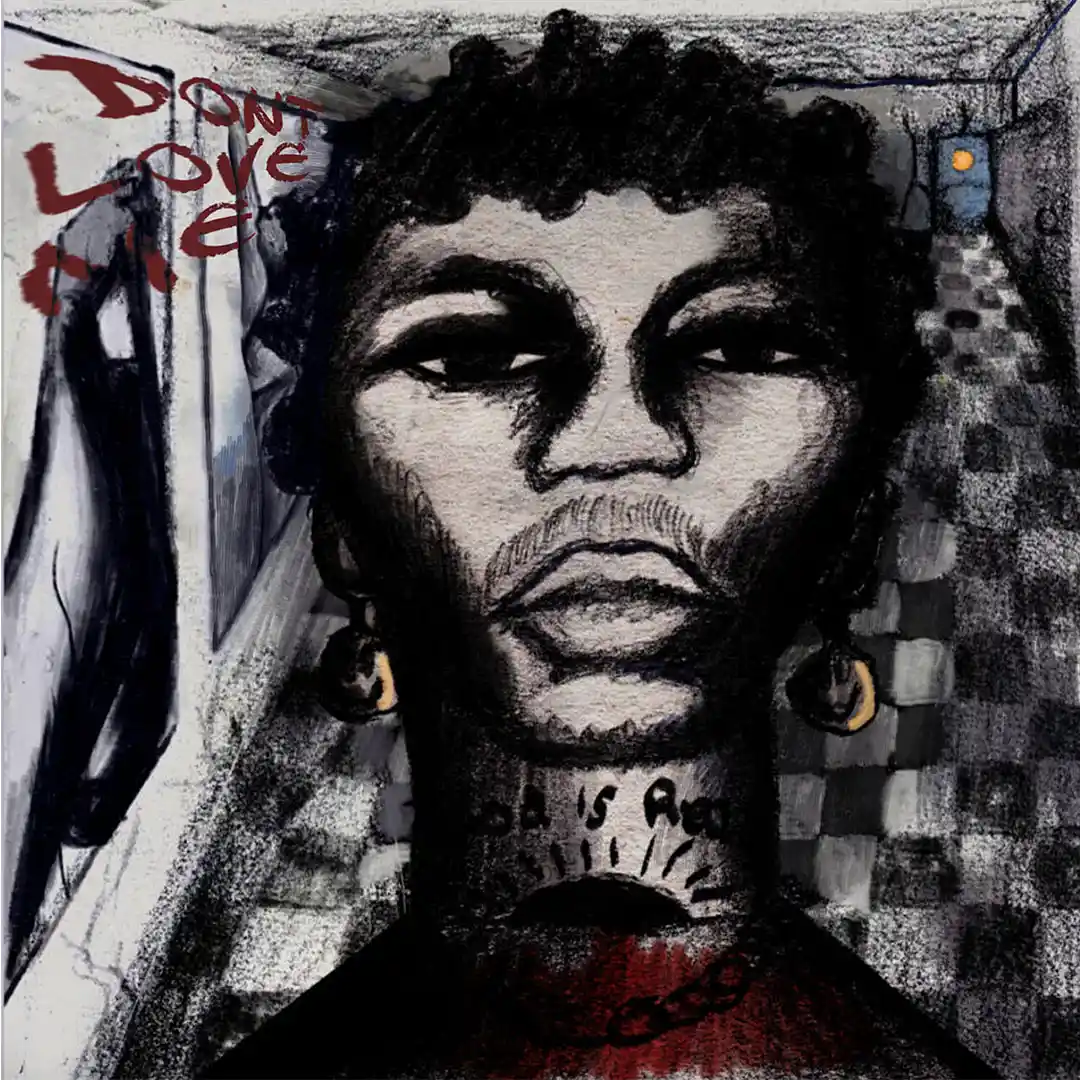 Omah Lay – DON’T LOVE ME
-
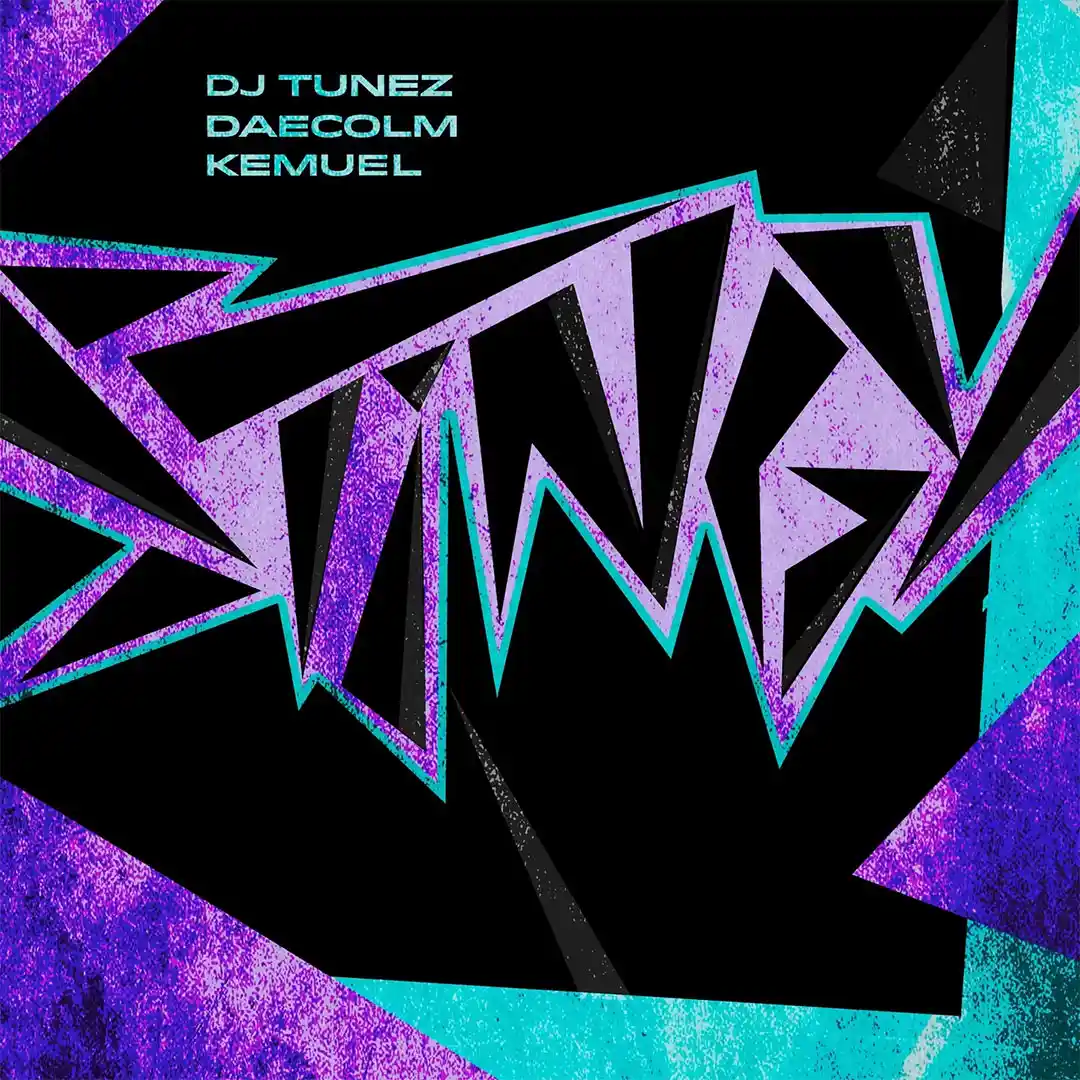 DJ Tunez – STINGY ft. Daecolm, Khaid & Kemuel
-
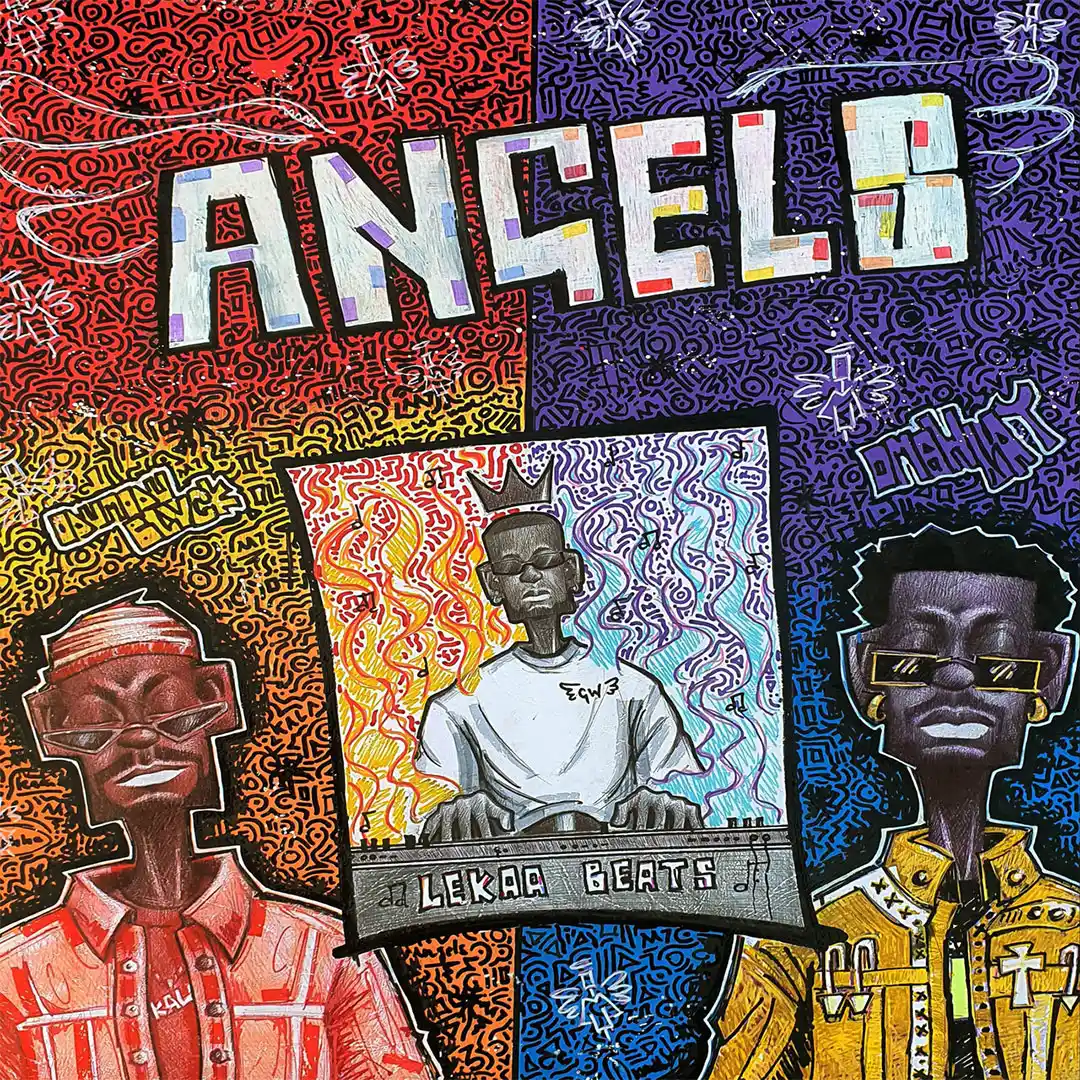 Lekaa Beats – ANGELS ft. Omah Lay & ODUMODUBLVCK
-
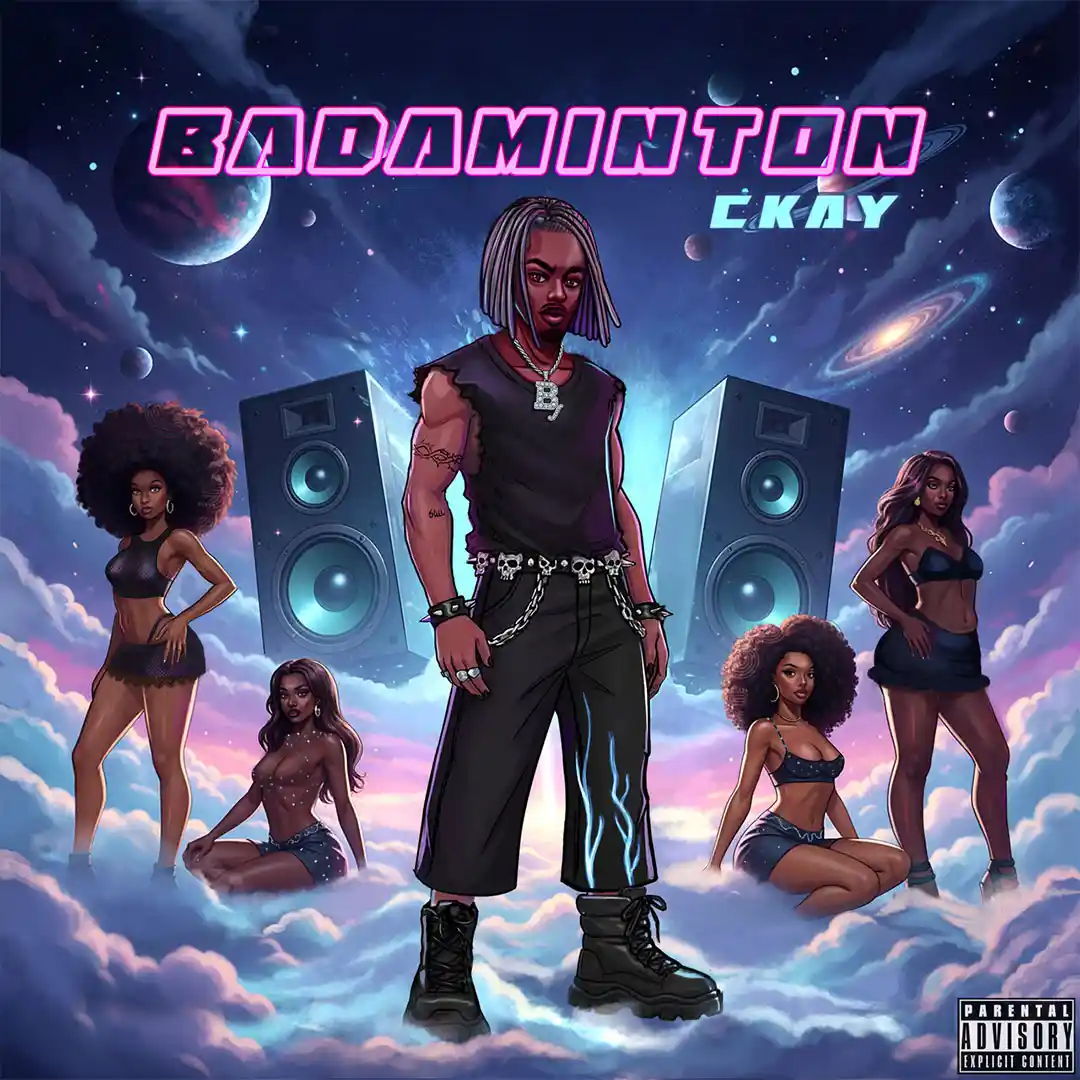 CKay – BADAMINTON
-
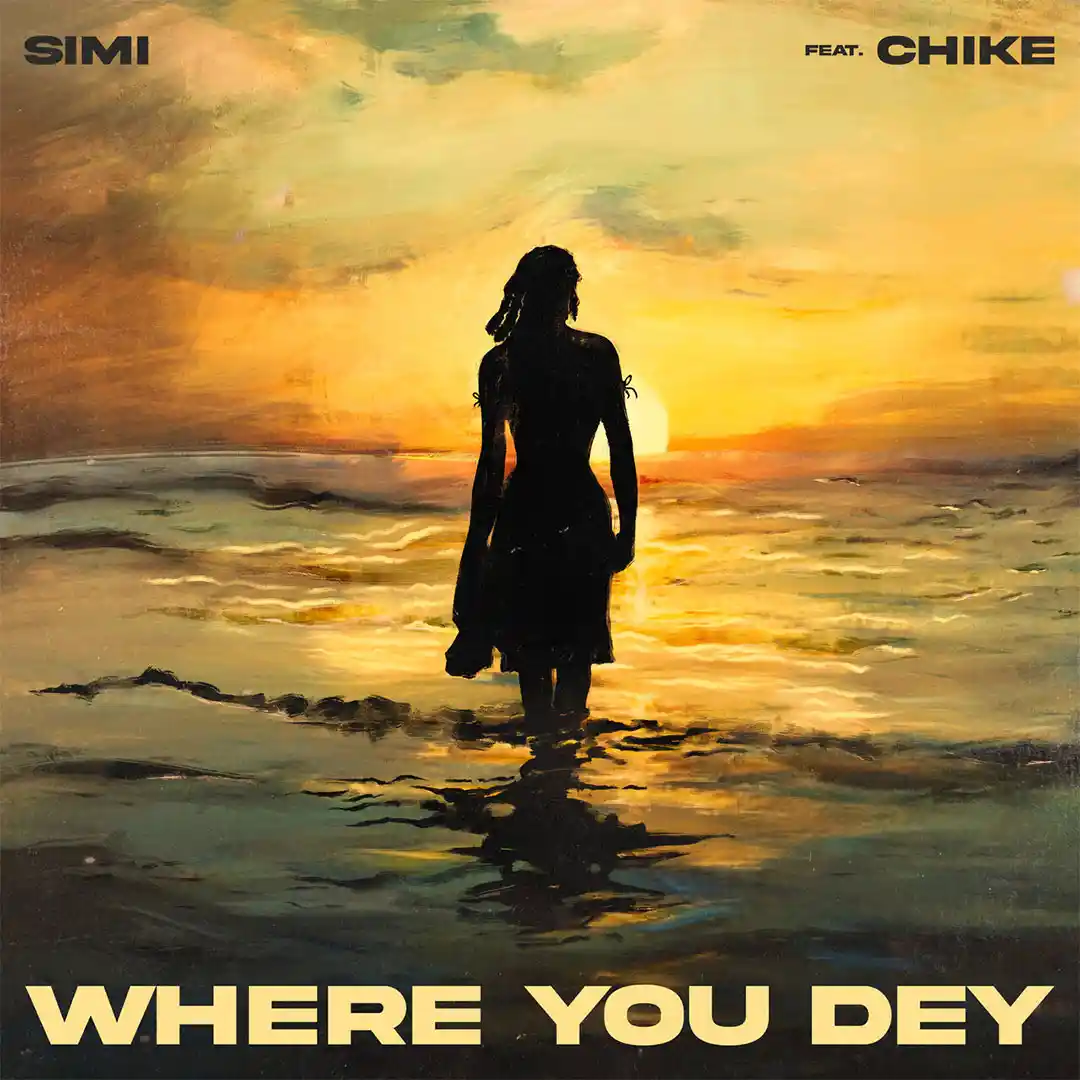 Simi – Where You Dey ft. Chike
-
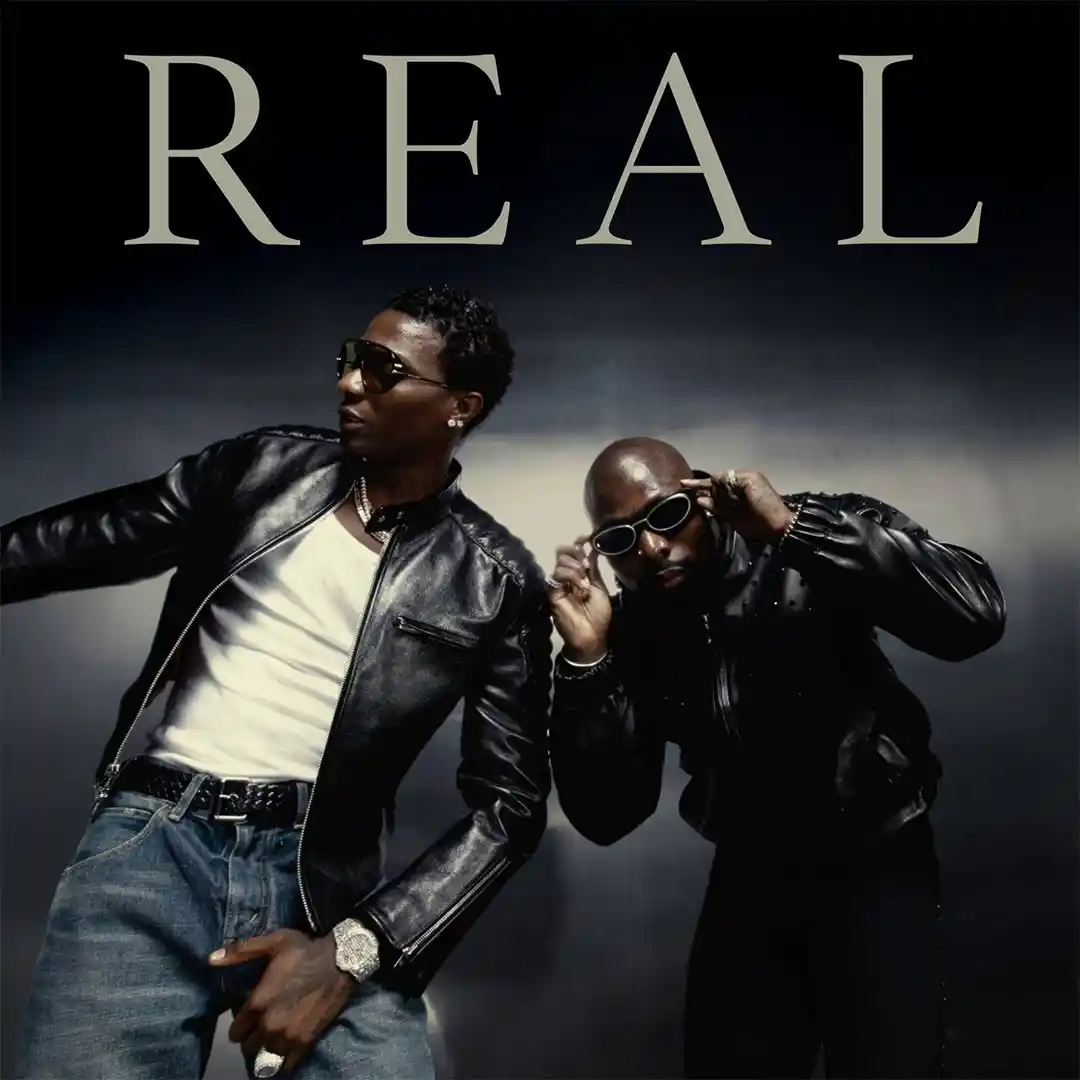 Wizkid & Asake – Alaye
-
Wizkid & Asake – Iskolodo
-
Wizkid & Asake – Turbulence
-
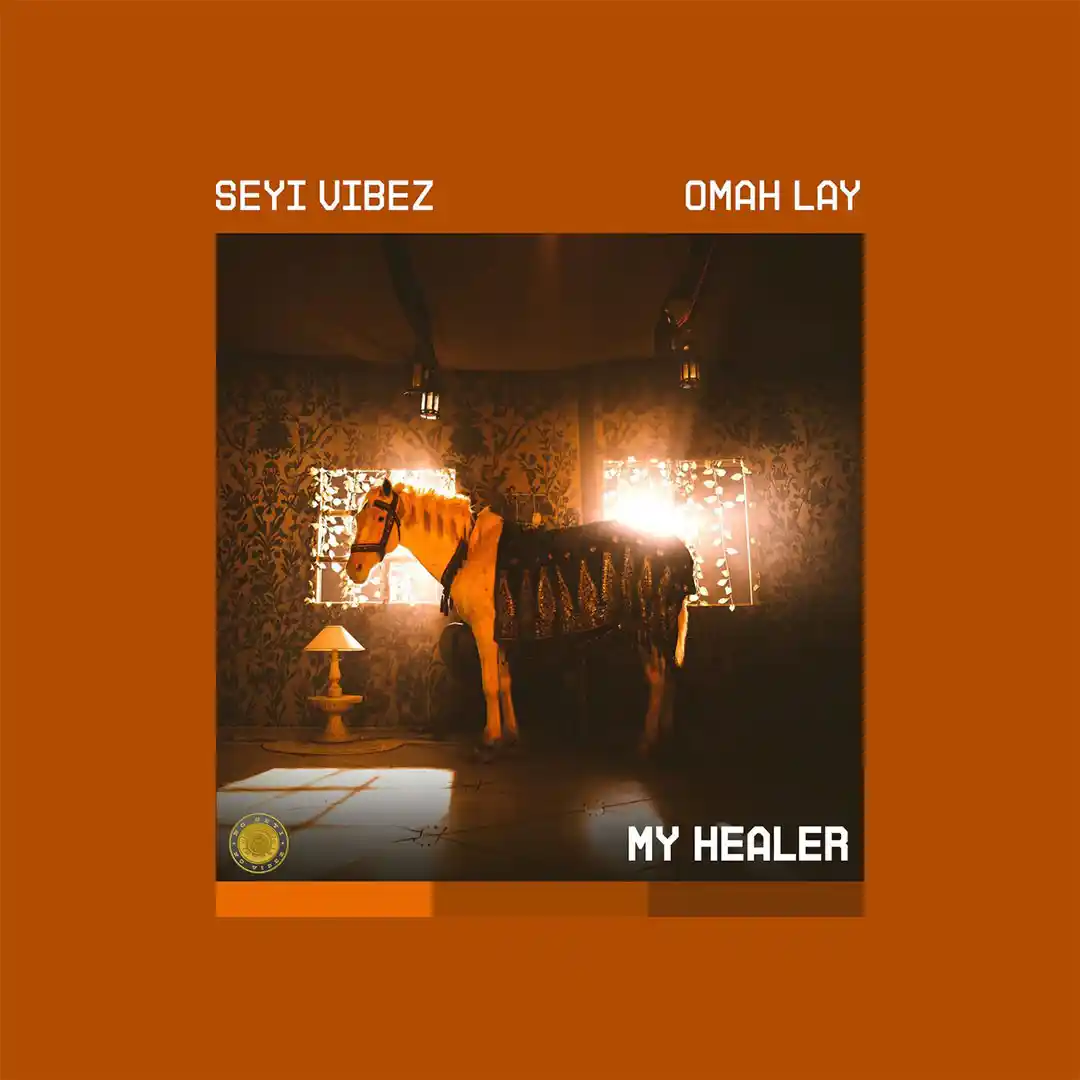 Seyi Vibez – MY HEALER ft. Omah Lay
-
 Burna Boy – For Everybody
-
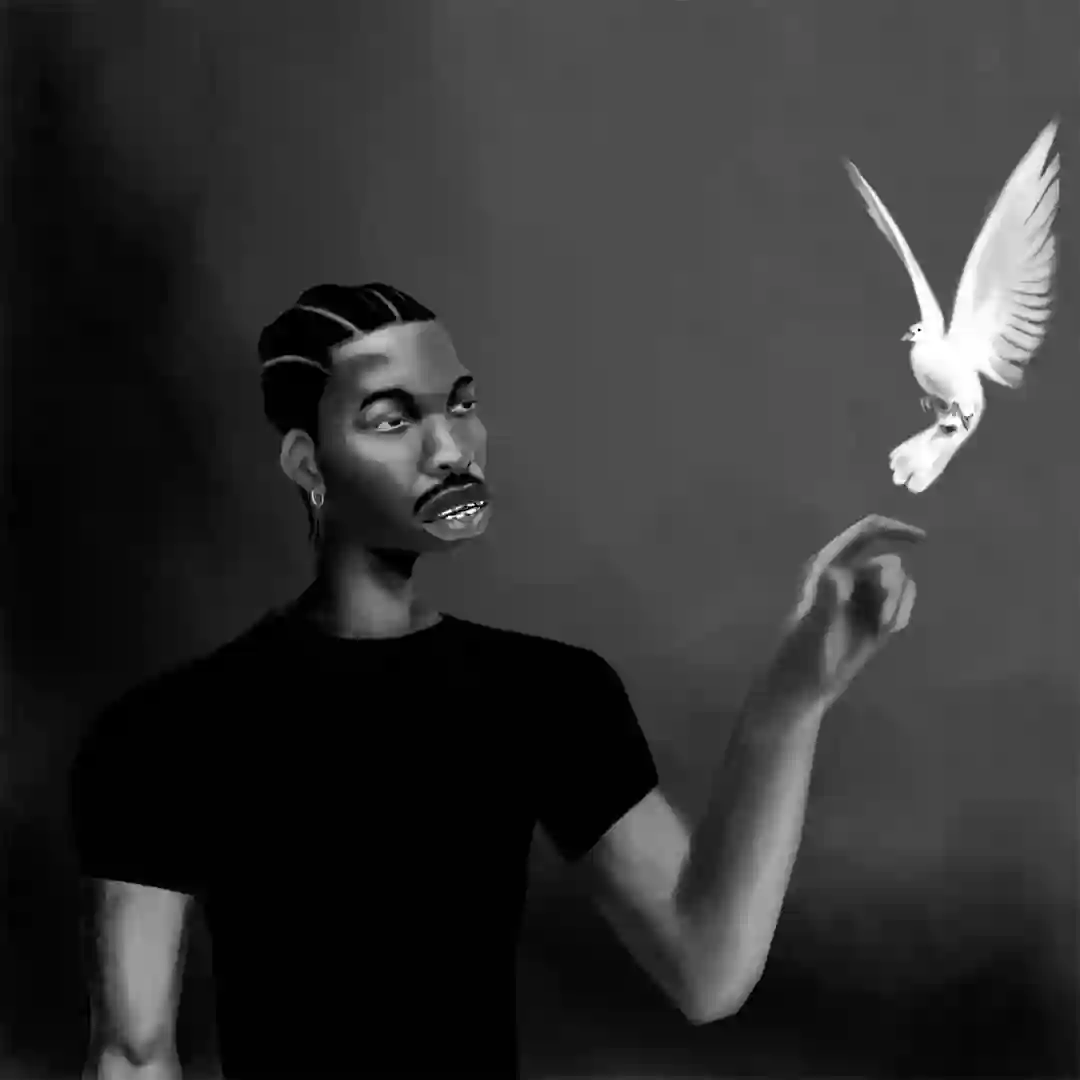 Magixx – Everyday
-
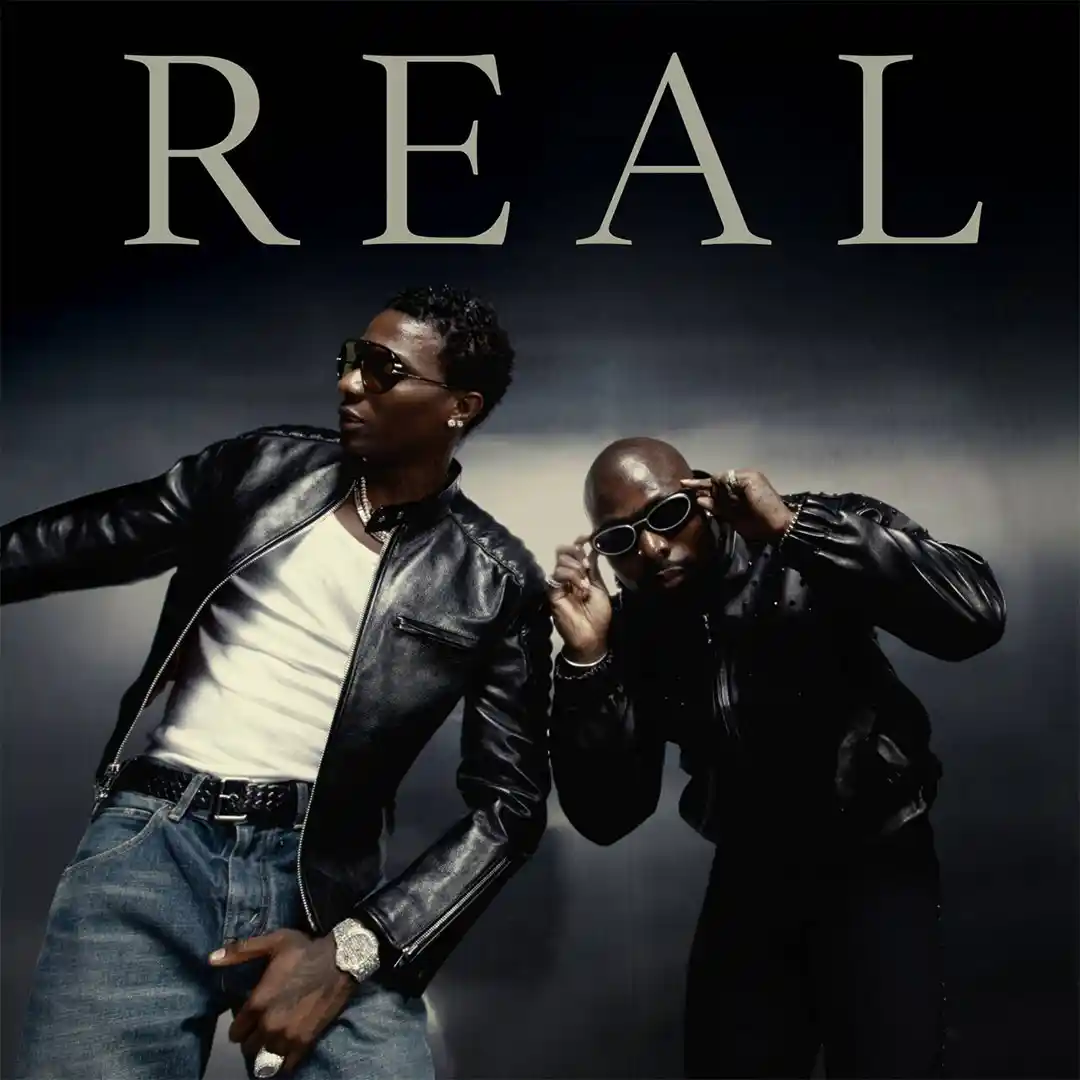 Wizkid – Jogodo ft. Asake
-
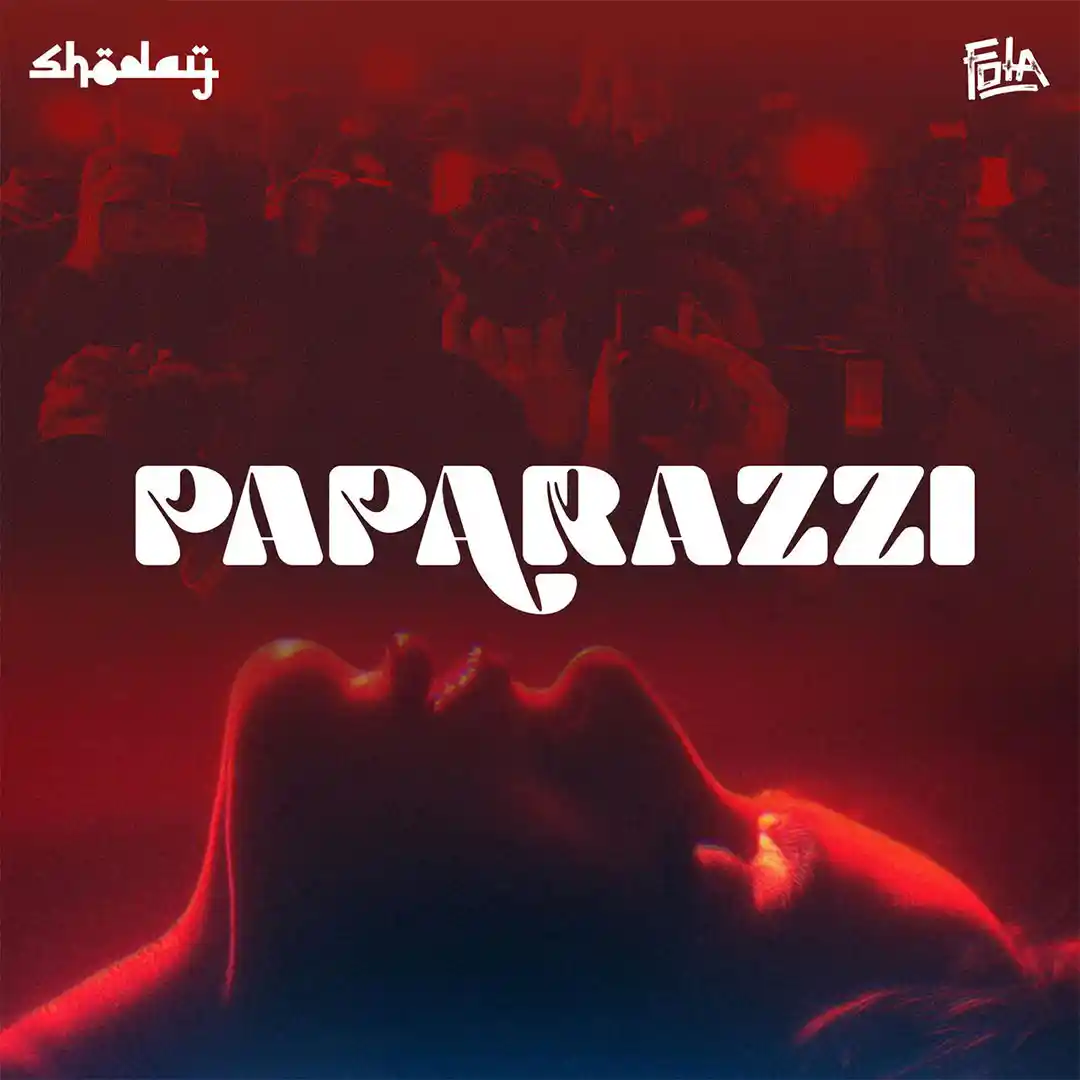 Shoday – Paparazzi ft. FOLA
-
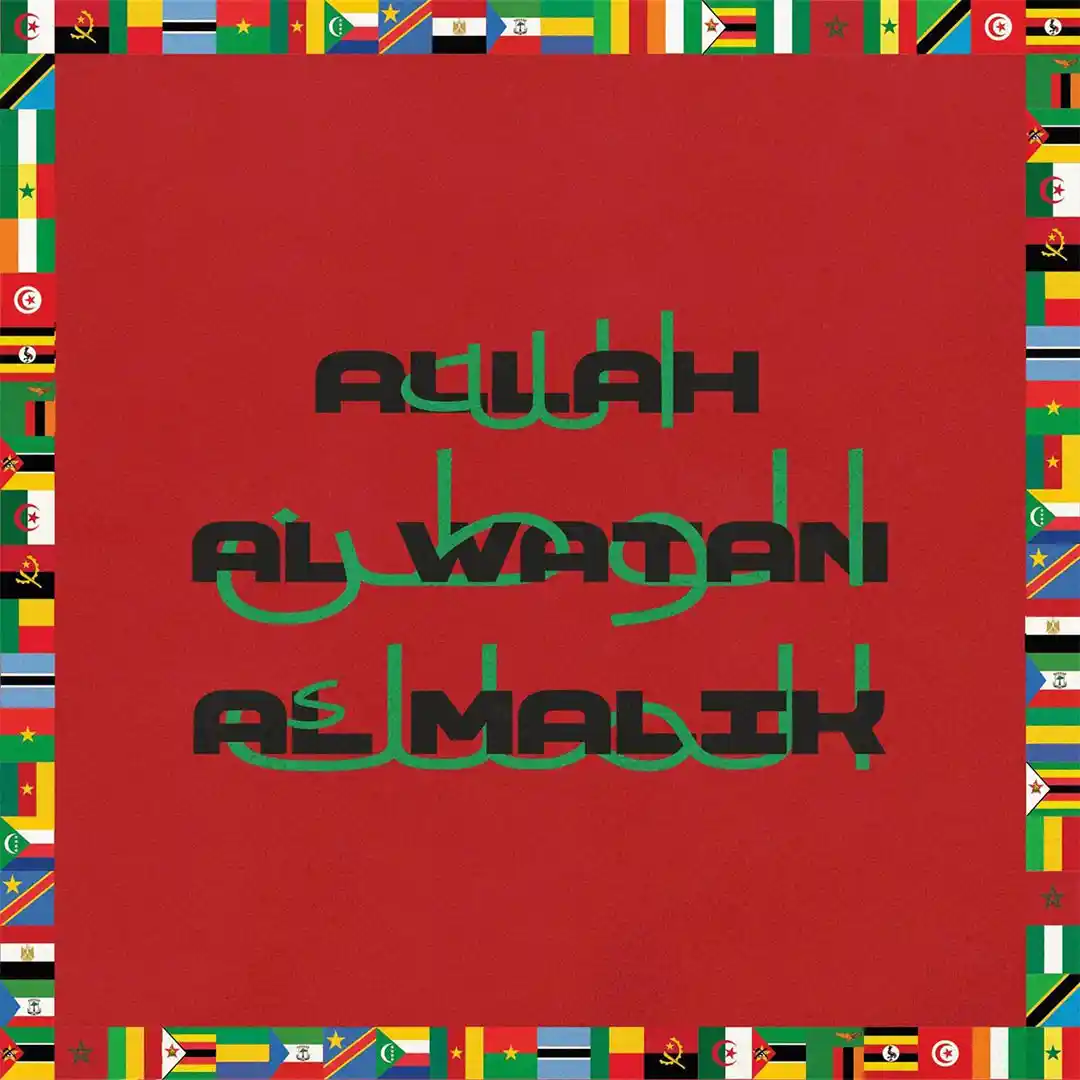 Ayra Starr – Le Show ft. Davido & French Montana
-
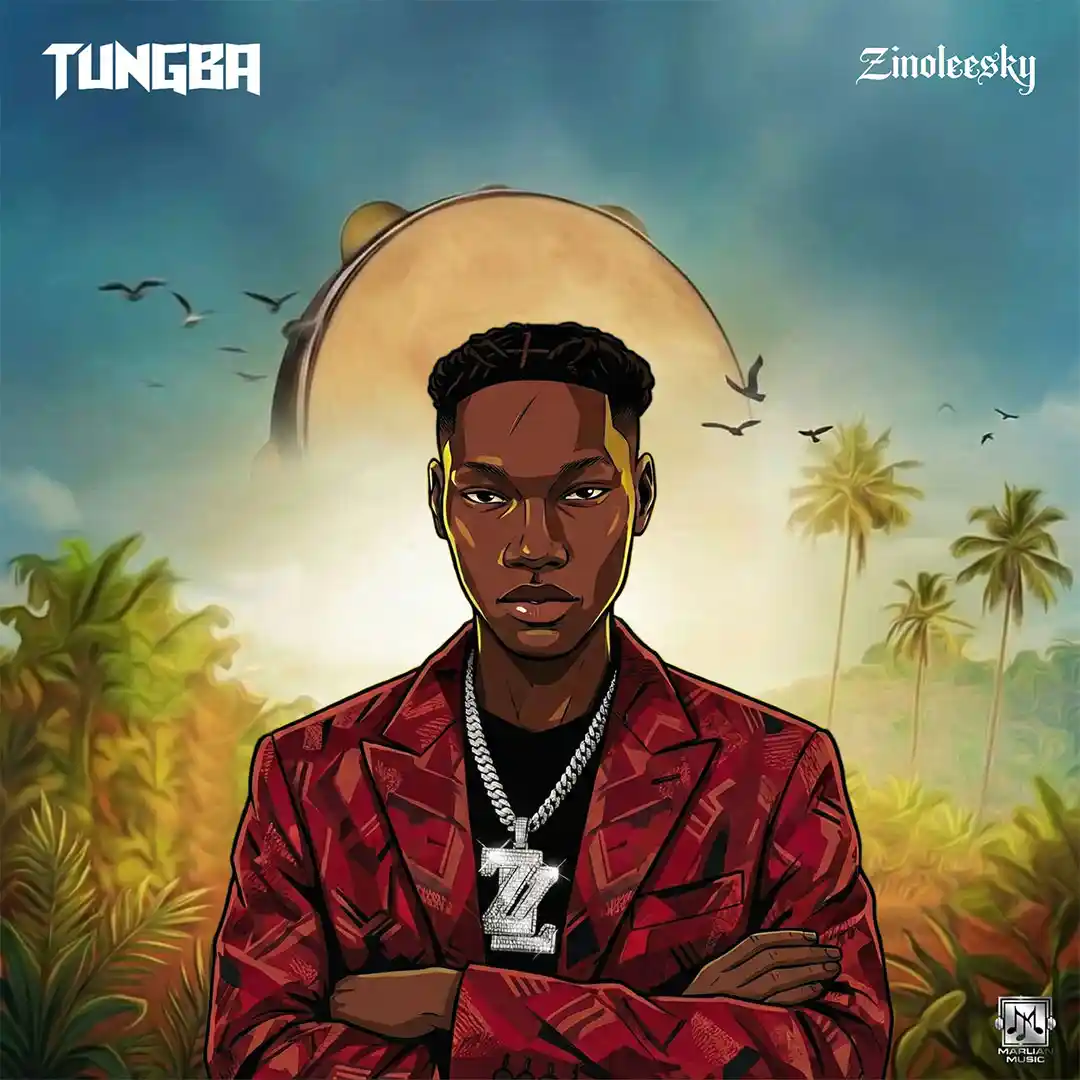 Zinoleesky – Tungba
-
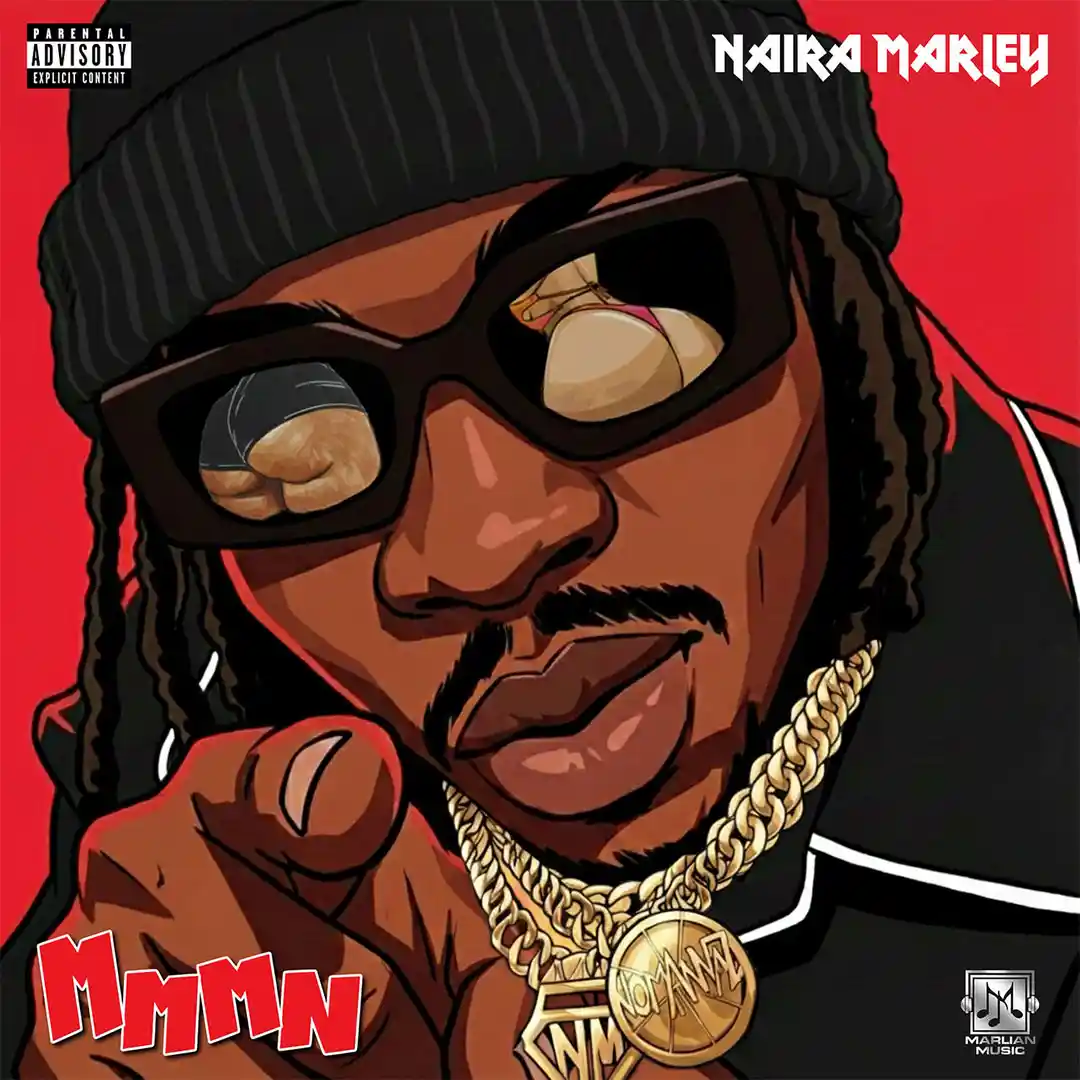 Naira Marley – Mmmn
-
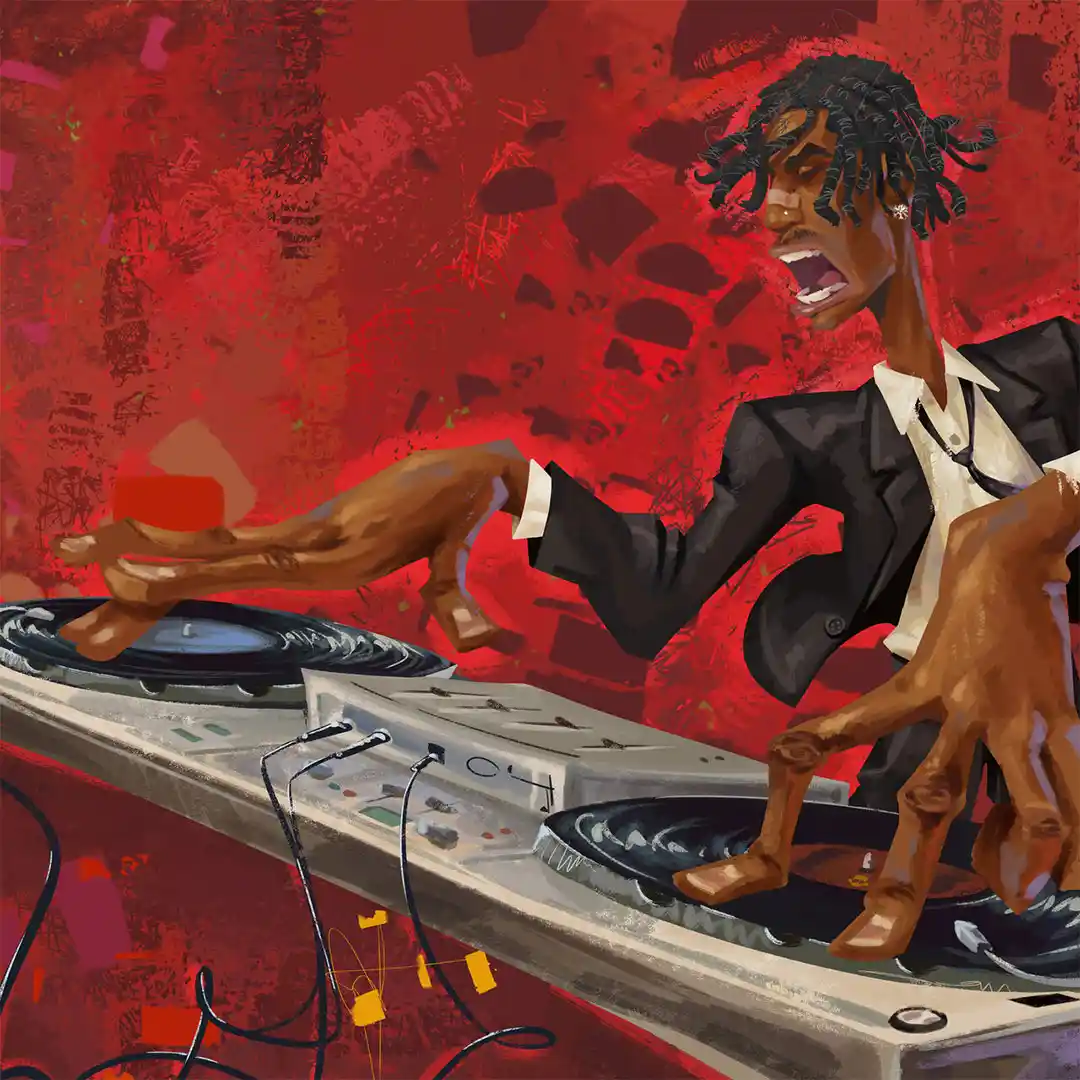 Khaid – SORRY IM NOT SORRY
Do you find Loadedsongs useful? Click here to give us five stars rating!